Blog

11/25/2023 2:33:50 PM

Capturing Mackerel in Watercolor

This newsletter was sent to my subscribers in September 2021.

Capturing Mackerel in Watercolor


Capturing Mackerel in Watercolor
 

I've been focusing on fish this summer.  Why?  Find out below and check out some of the resulting paintings!


Because I can't stop...

Why paint these fish over and over again?

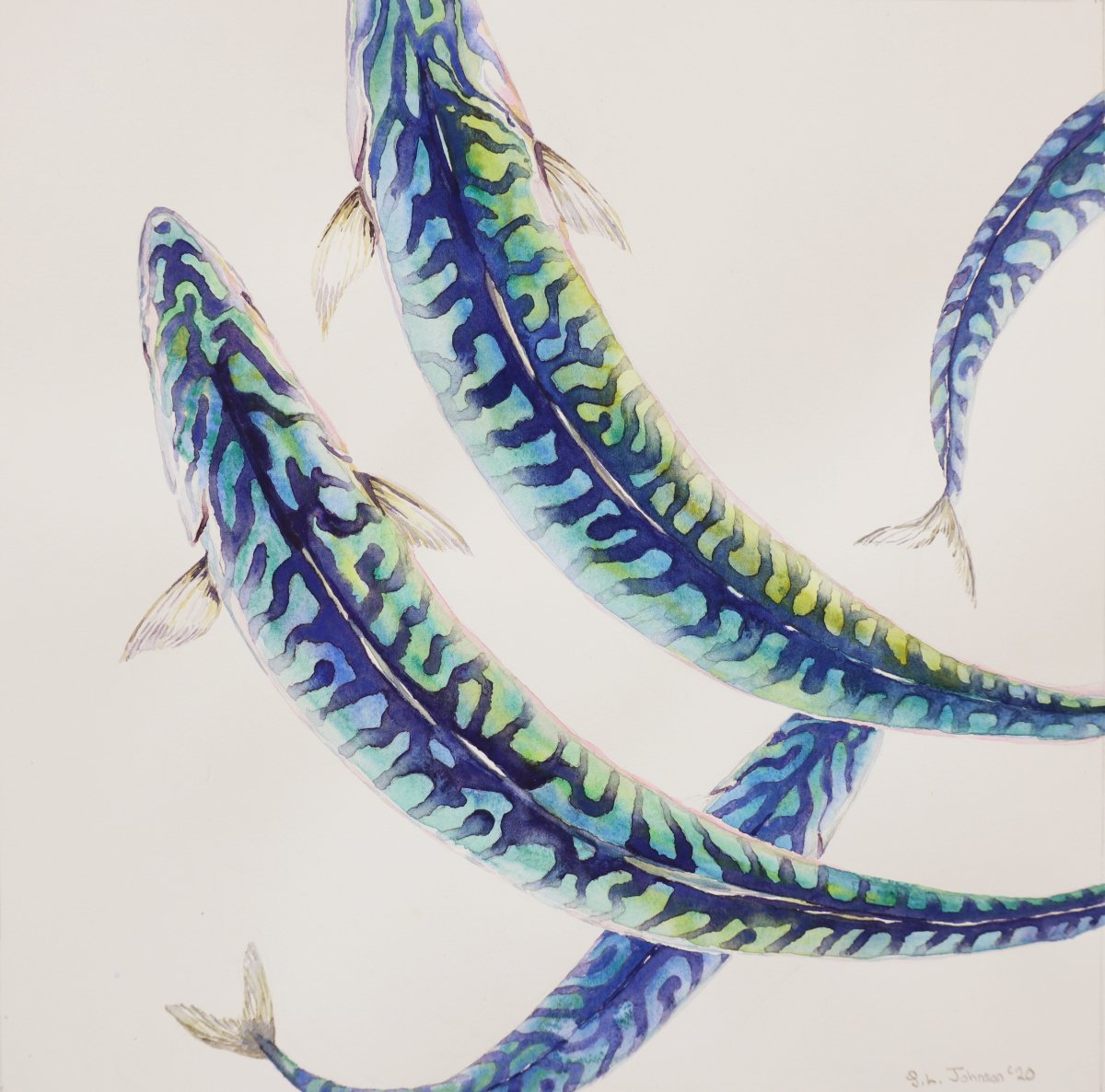
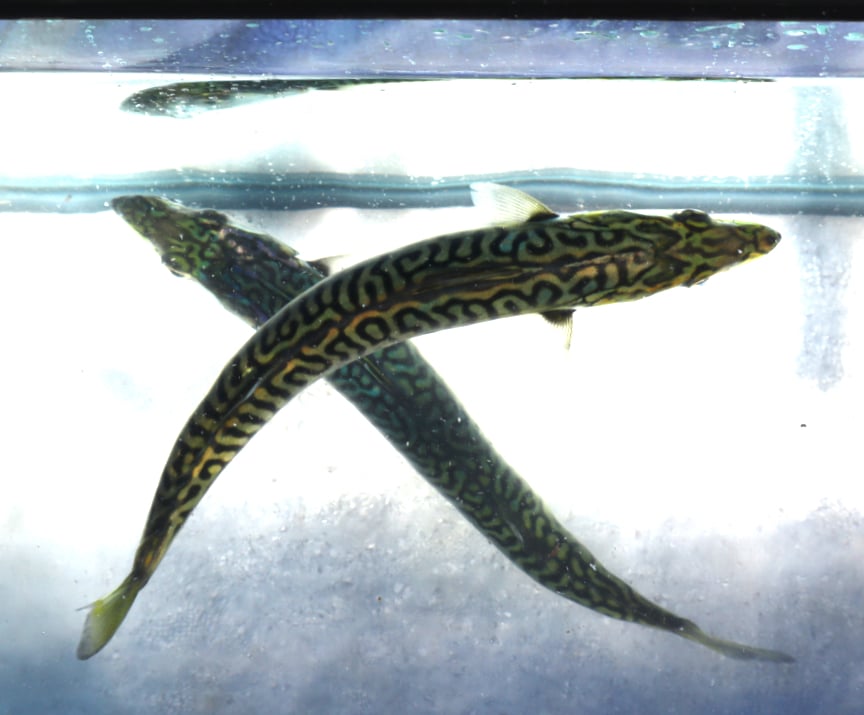
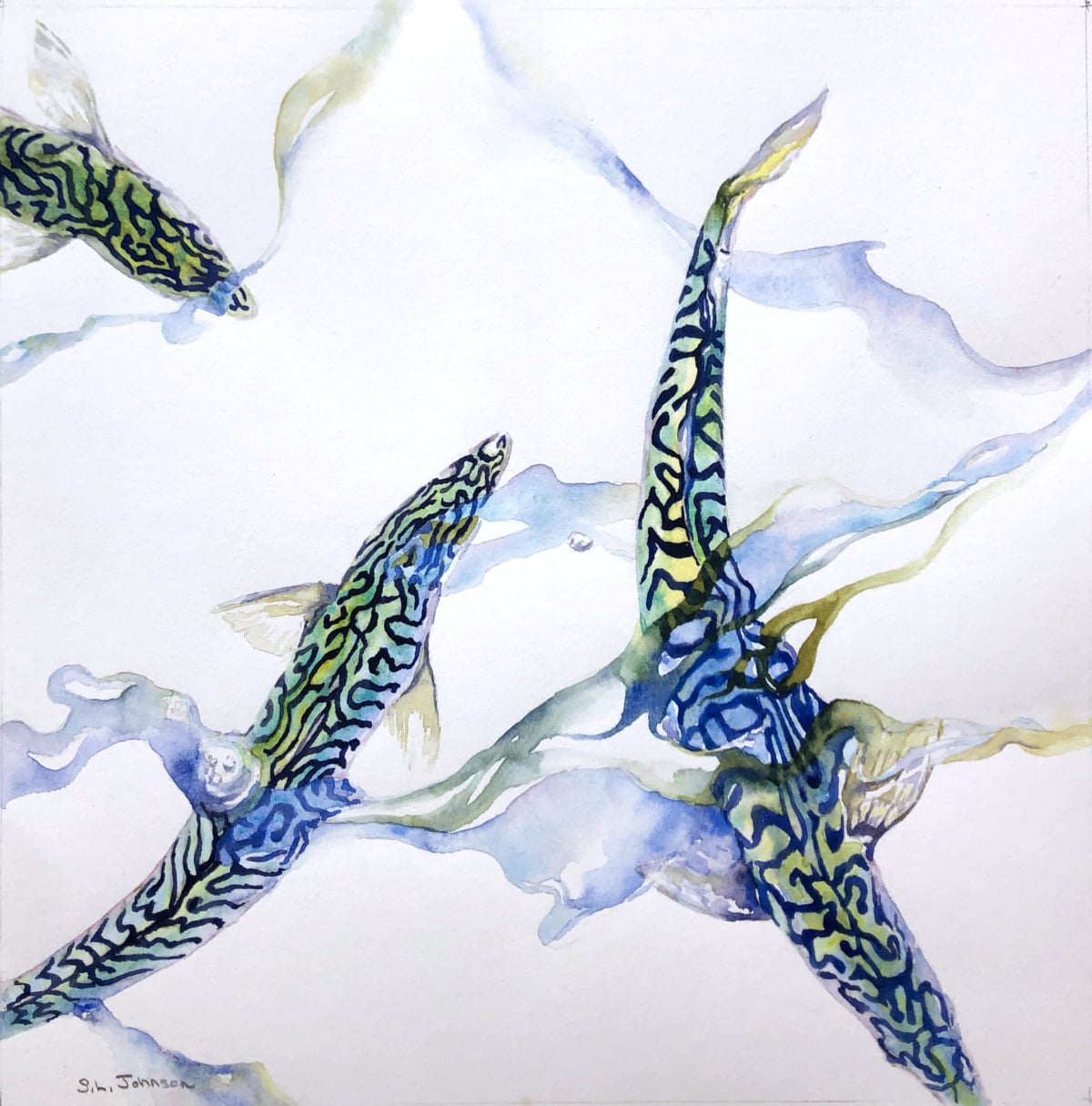
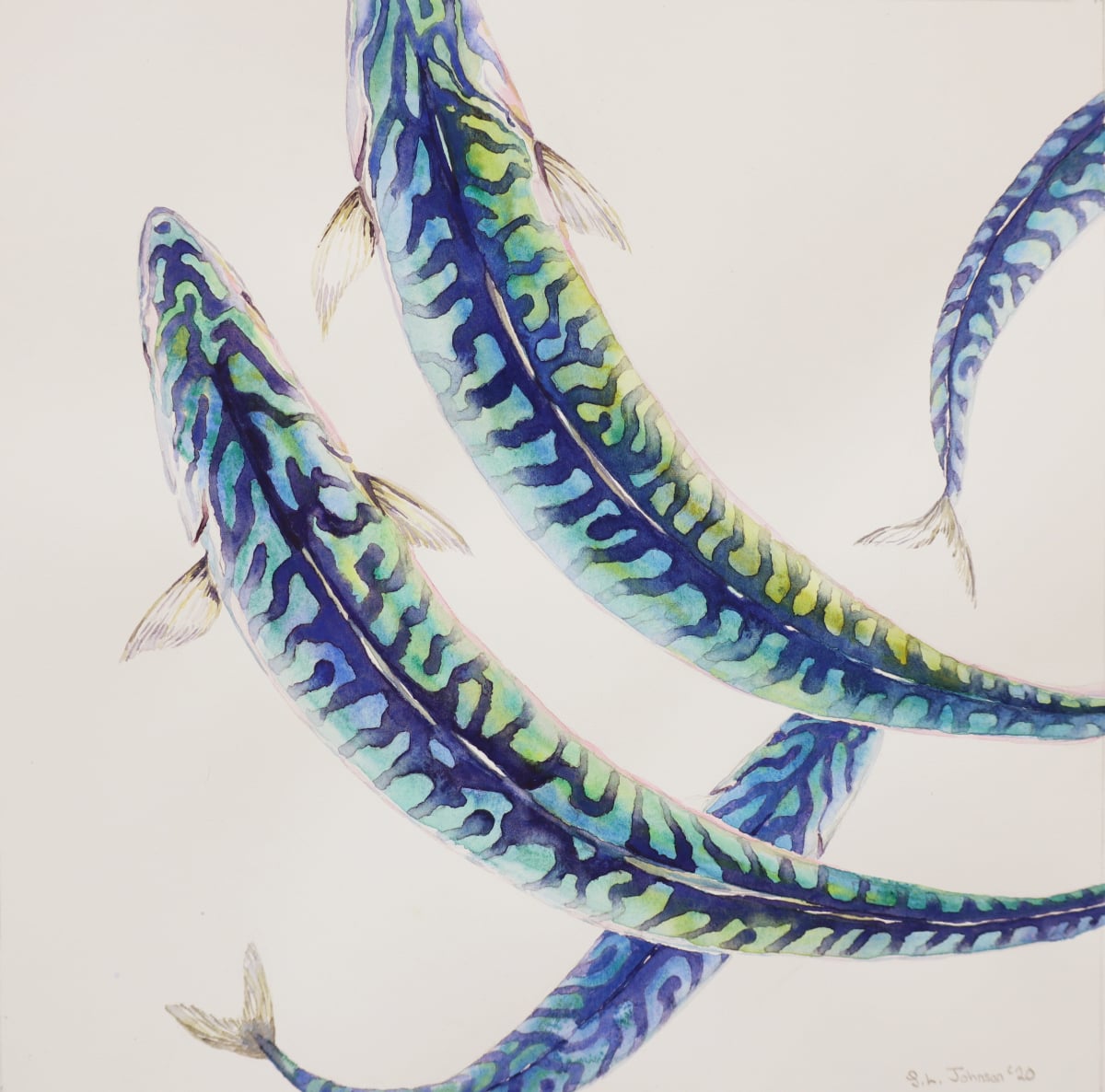
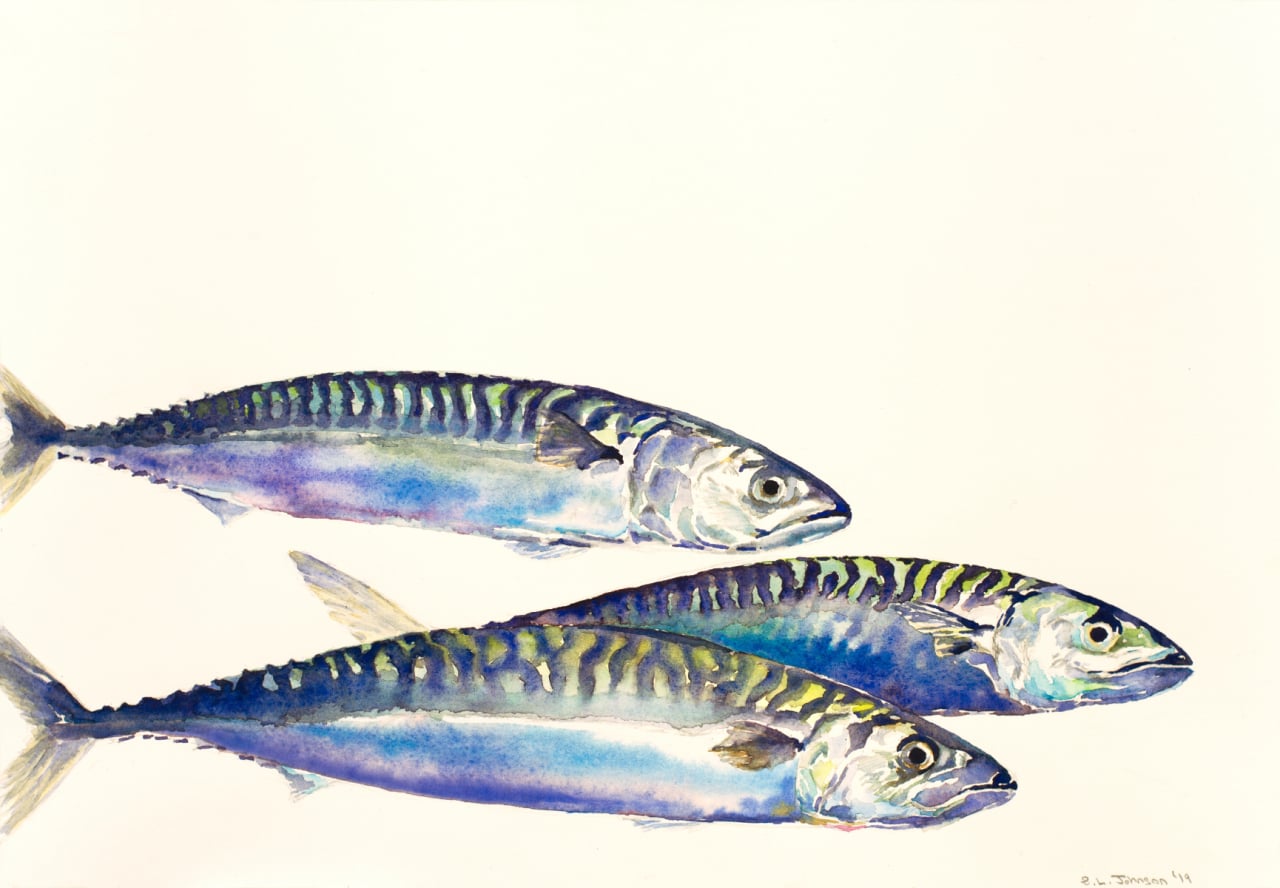
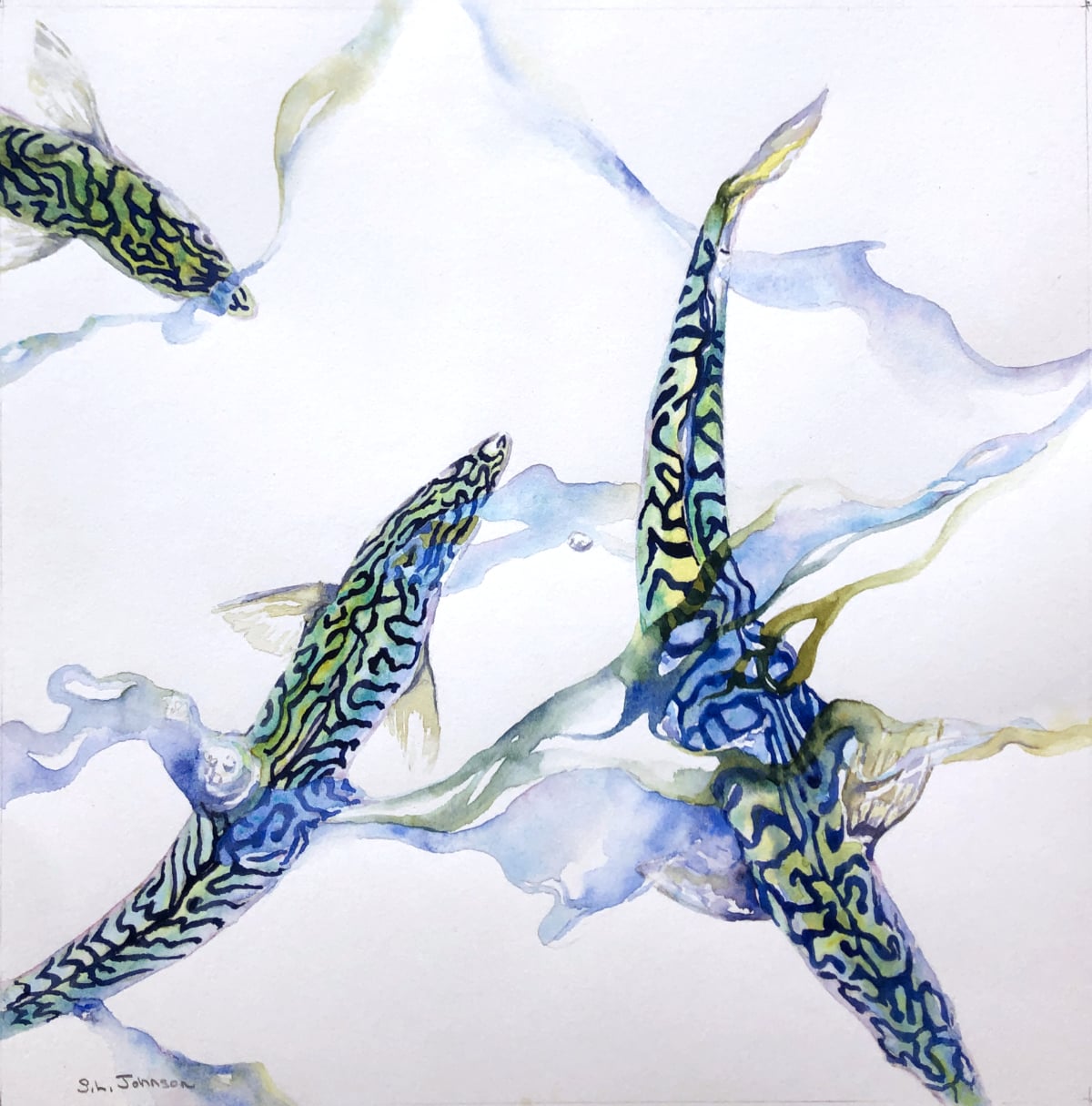
Atlantic Mackerel are iridescent, translucent, camouflaged and arresting all at once.  Individuals have different stripe patterns, everything about their shape is made for speed, and their silvery sides reflect unexpected colors.  With every painting I understand a little more, and I'm just beginning to explore how water can distort, exaggerate or hide them. 


Geek out with me!

Susan's Biology Moment

While poking around trying to learn about the patterns, scales and reflectivity of fish, I tripped over this abstract from a research paper. I did NOT read the paper (I wish I were that diligent) but I gathered that Atlantic Mackerel (Scomber scombrus) have bands of scales that are oriented to reflect light at specific angles. This means that as the fish change position relative to the light they alter their appearance. Given that these fish rely heavily on vision, they may signal to each other when they change their position ("There is a predator over here - run away!"). I wonder whether this is how they stay so coordinated in their movements as they swim together?


In case you are curious.

My Painting Process

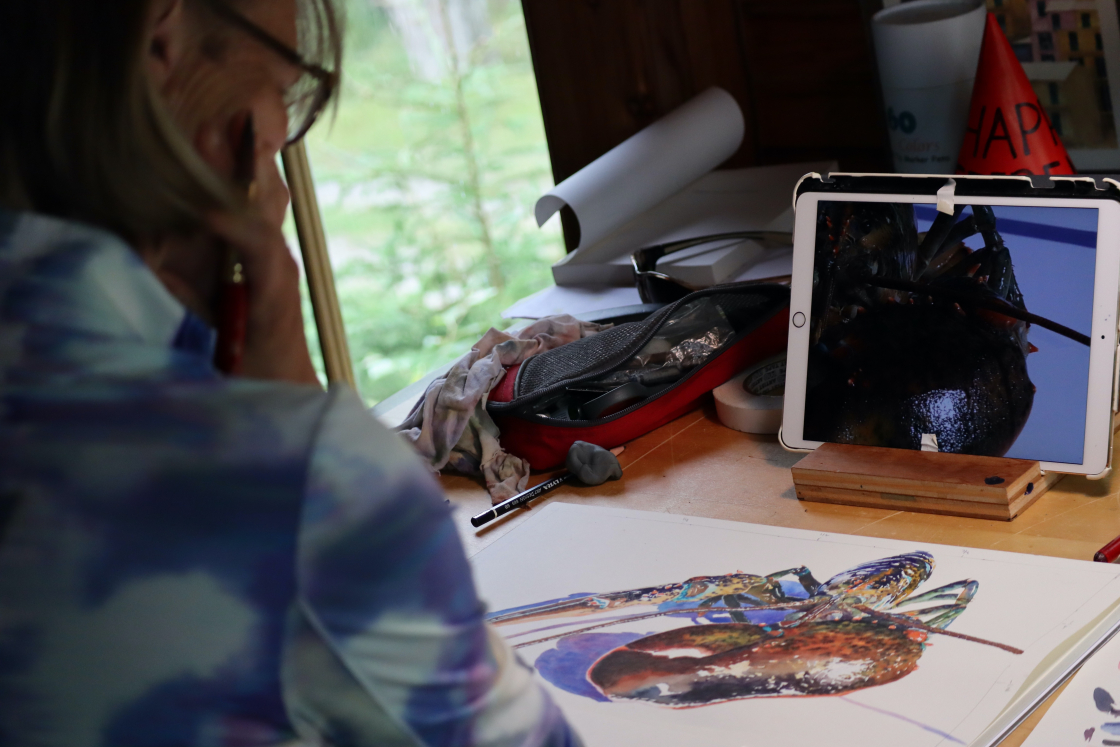
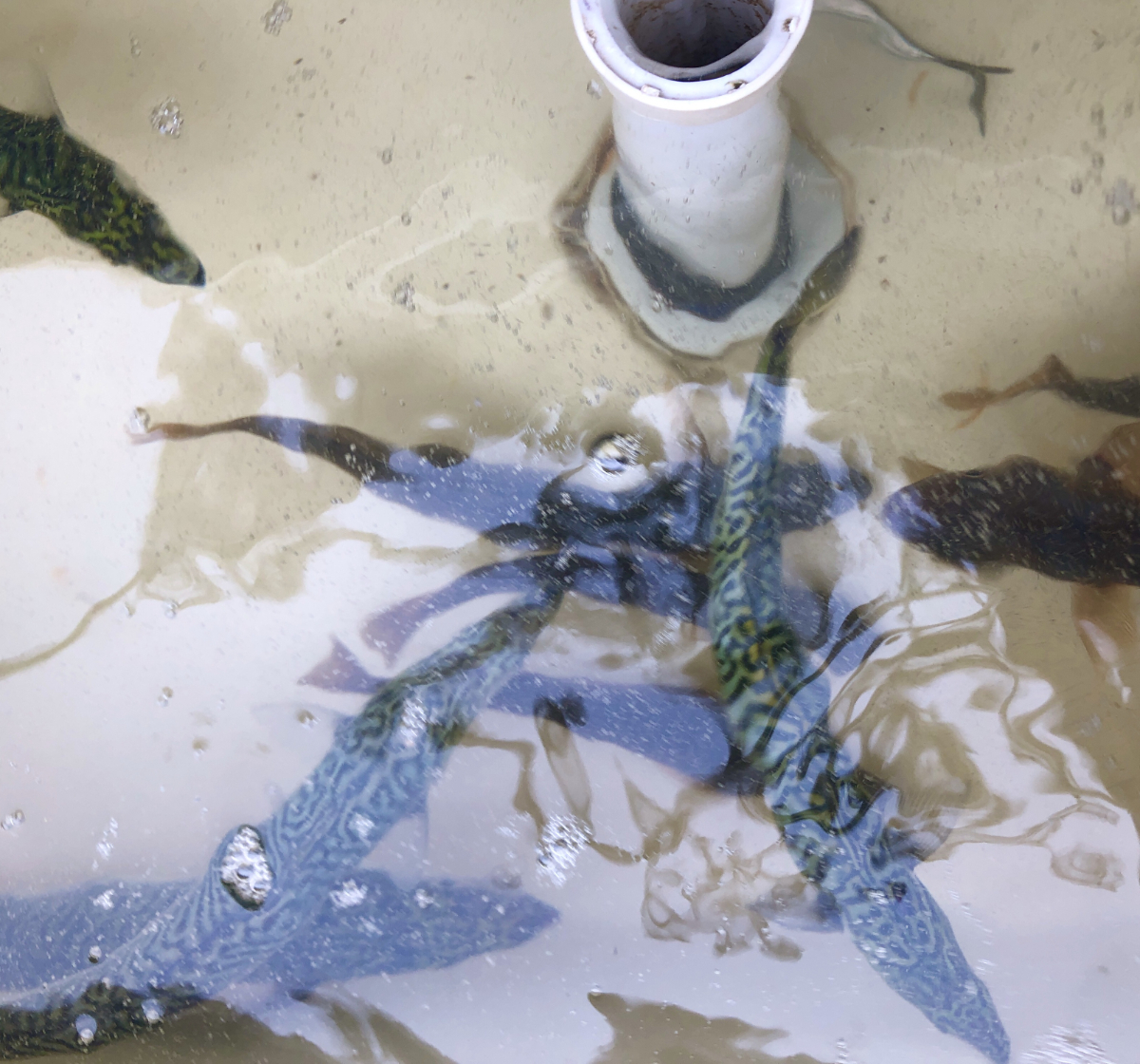
I started with mackerel a year or two ago simply because they are easy to catch where I am (with the added bonus that they are gorgeous).  I always paint from my own reference photos because I struggle with photos taken by other people, no matter how good they are.

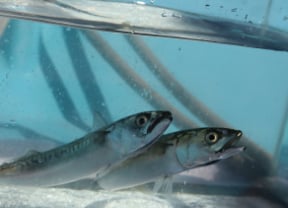
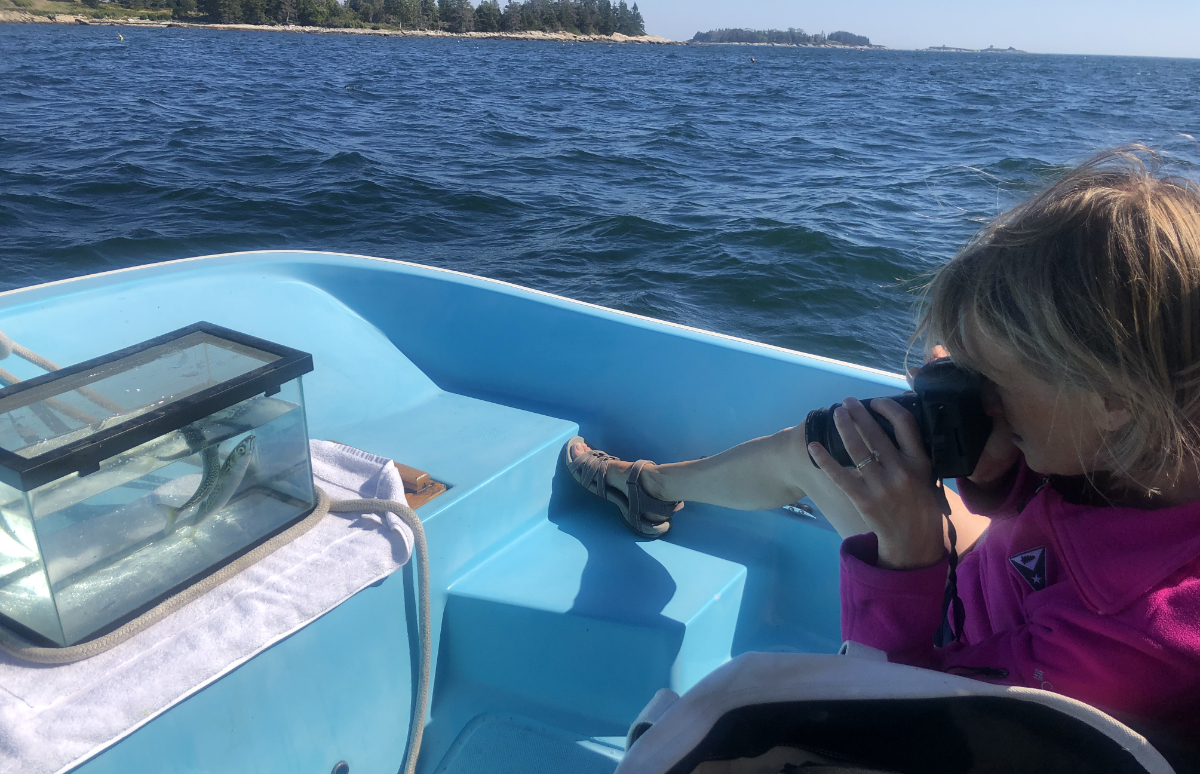
Mackerel (and I imagine many, if not all, fish) become rigid and fade the instant they are out of the water.  I'm not interested in photos of dying fish; I want to capture them as they are in their environment but without being obscured by the opacity of the North Atlantic.  I took good photos when we fished for mackerel and placed them in a small tank in the bow of our boat.  Even then, they had too little oxygen in that small space, and we had to throw them back quickly.  For me, this is the main barrier to painting larger fish like striped bass.  How do I take clear photos of different species in their element?

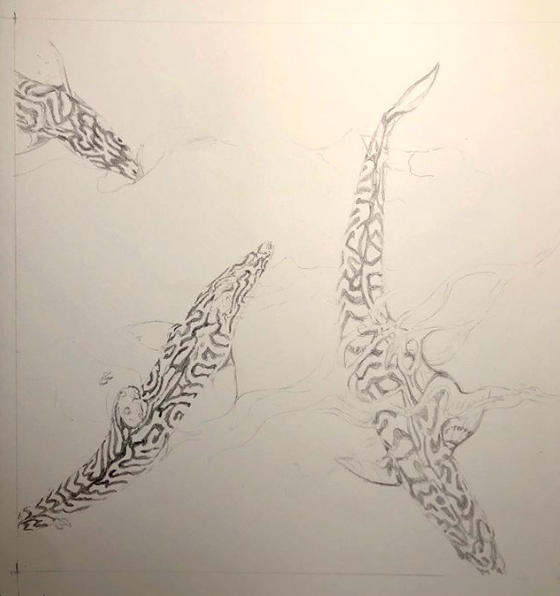
I often create an image from multiple photos and make thumbnail pencil sketches until I land on a composition that interests me.  Sometimes I crop my photos or experiment with color or value on my computer before embarking on the final drawing.

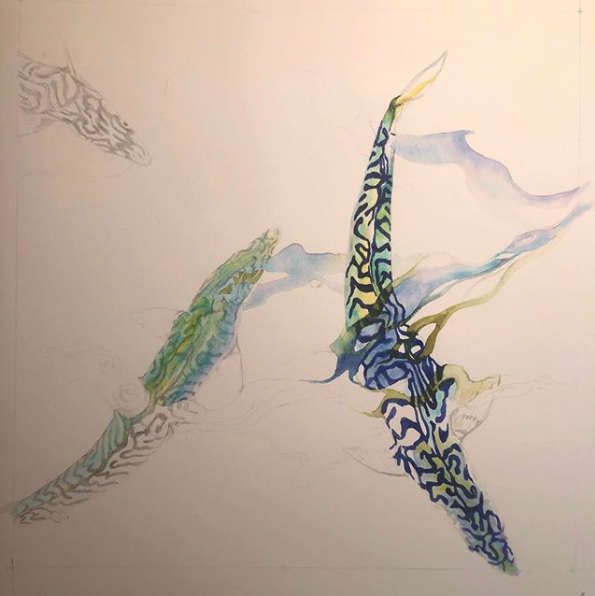
Drawing on hot press watercolor paper takes time and if I erase too much, I risk ruining the smooth surface of the paper.  Laying down water and paint on test strips is the key to making sure I have some understanding of how my chosen pigments may interact.  While I have no set-in-stone process for painting mackerel, so far each painting has taught me something new.  


And I'm not done yet!

New Paintings

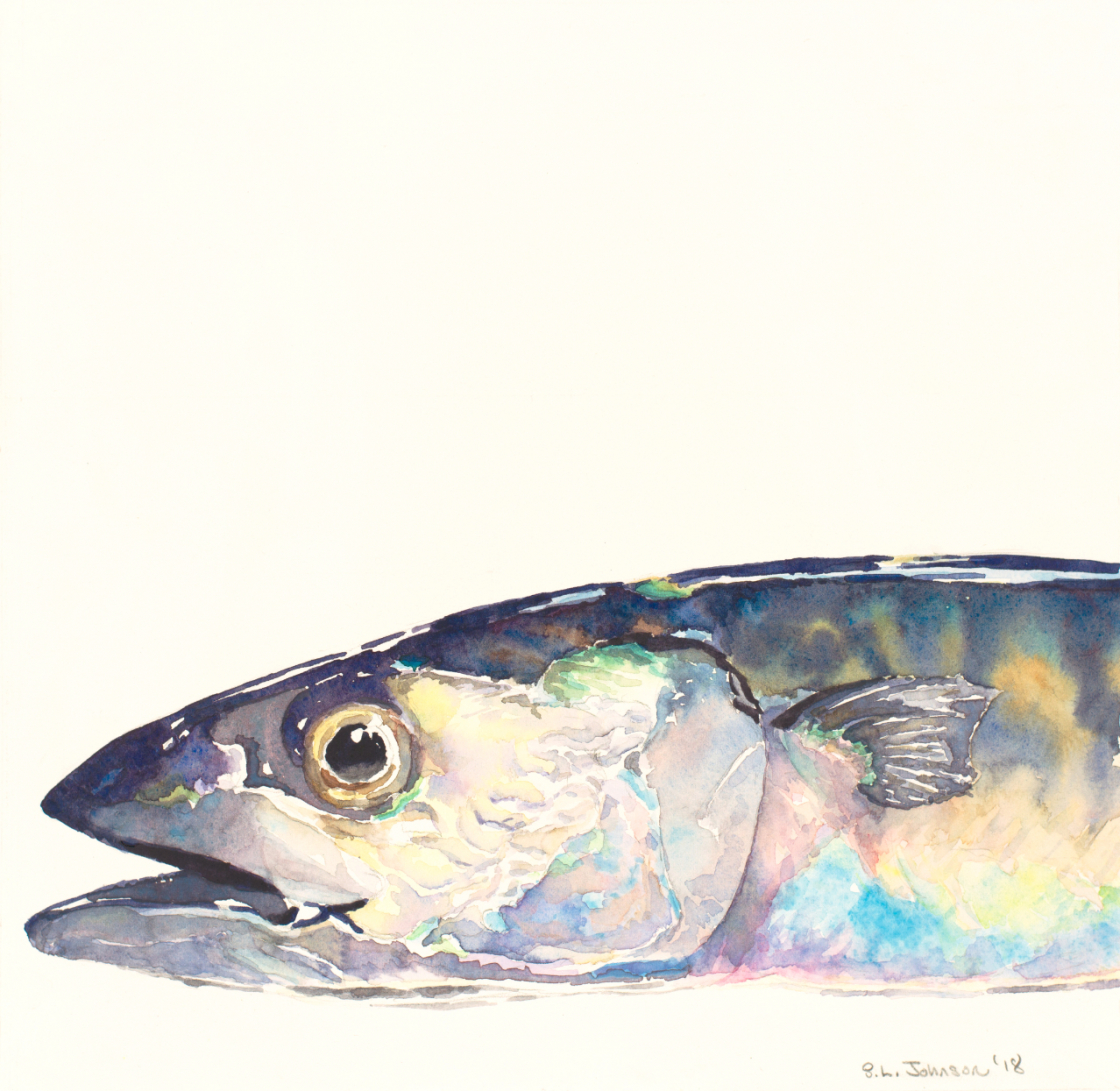
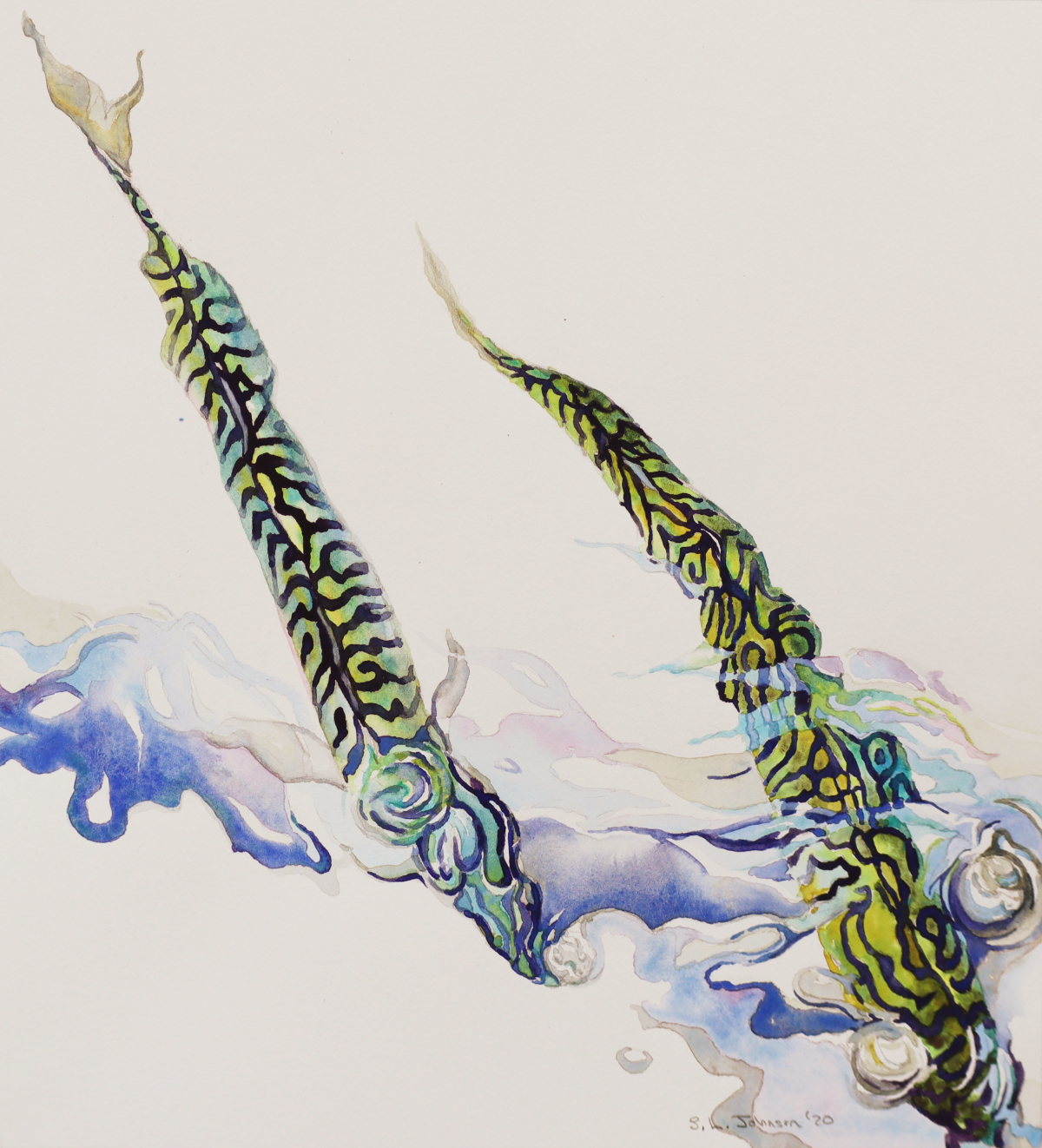
The painting of the mackerel head to the left is my logo-of-sorts.  I was loathe to part with this painting last year, but am grateful I had a high quality image made first.  The two paintings of mackerel under the water represent a new direction for me.  Trying to figure out how to portray the water, the fish and still make sure the negative space of the white paper remains interesting continues to be a fun challenge.  While I have not included any of my most recent work on my website, inquiries are always welcome!


Susan L Johnson Art


Share This Post


Comments

2 Responses to Capturing Mackerel in Watercolor

Thanks, this is great article.

Thank you for sharing this article. I find your blog very interesting and always enjoy your content.


Leave a Comment

Remember Your Info
Check this box if you want email updates when people comment on this post