Blog

11/25/2023 2:59:15 PM

Fall Into Winter On The Damariscotta: New Paintings From Quiet Moments

Comment on this

Newsletter from January, 2021


Fall Into Winter On The Damariscotta
 

New paintings from quiet moments

 
Everything Was Red
 
 
October Morning In The Narrows
 
Everything was red!

Hanging Out Around Nun No. 12

I've spent much of this fall and winter on the Damariscotta River near "the Narrows." As ocean tides, wind and outflowing fresh water force their way through this bottleneck they create dramatic, swirling cross-currents. Naturally, there is a submerged ledge nearby, and unless you know this area well, it's wise to honor the resident red "nun" and green "can" marking the channel.

This fall seemed so RED and the No. 12 nun in the Narrows was a key participant. As I took photos from our little boat and from the shore, I was surrounded by the saturated reds of the native low-bush blueberries, fiery reds of maples, and rich brown-reds of the oaks. In the early morning at slack tide, the reflections in the water were stunning.  Although fall is long gone, the reds in my photos and my memory will continue to inspire new paintings.

 1st Painting Above: "Everything Was Red" 8.5"H x 11.4"W, CoSo Tapestry Small Works Exhibit; 2nd Painting Above: "October Morning In The Narrows," 17.5"H x 11"W, Harvard Staff Exhibit beginning February 3rd


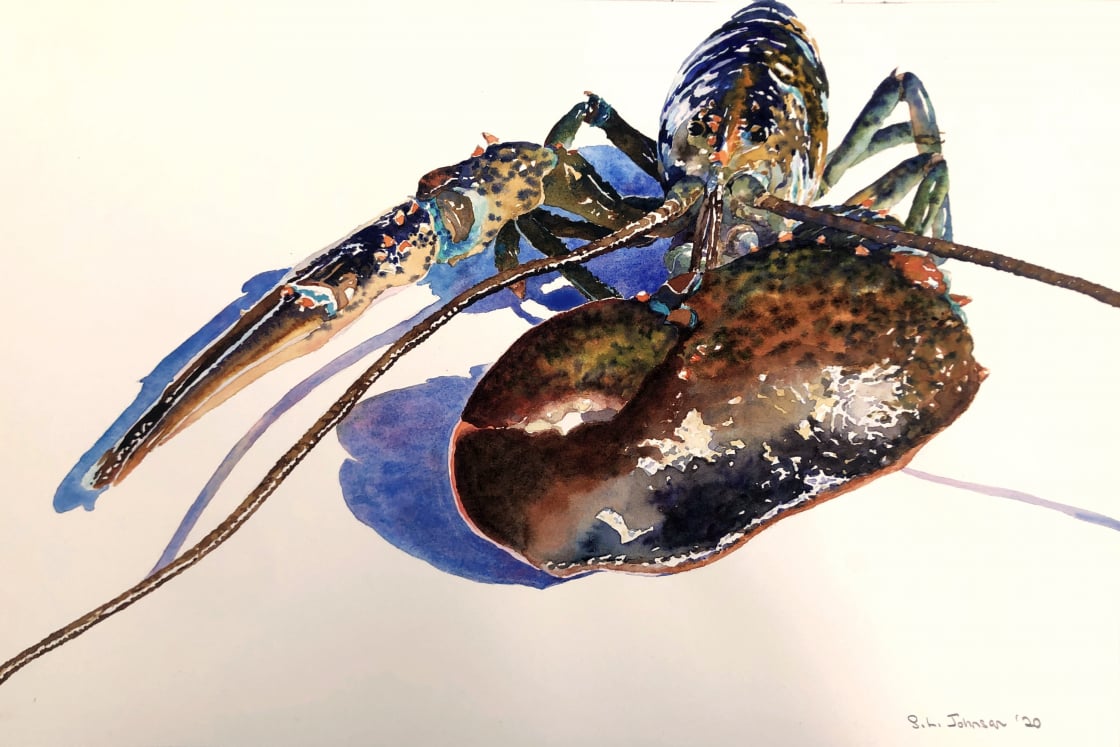
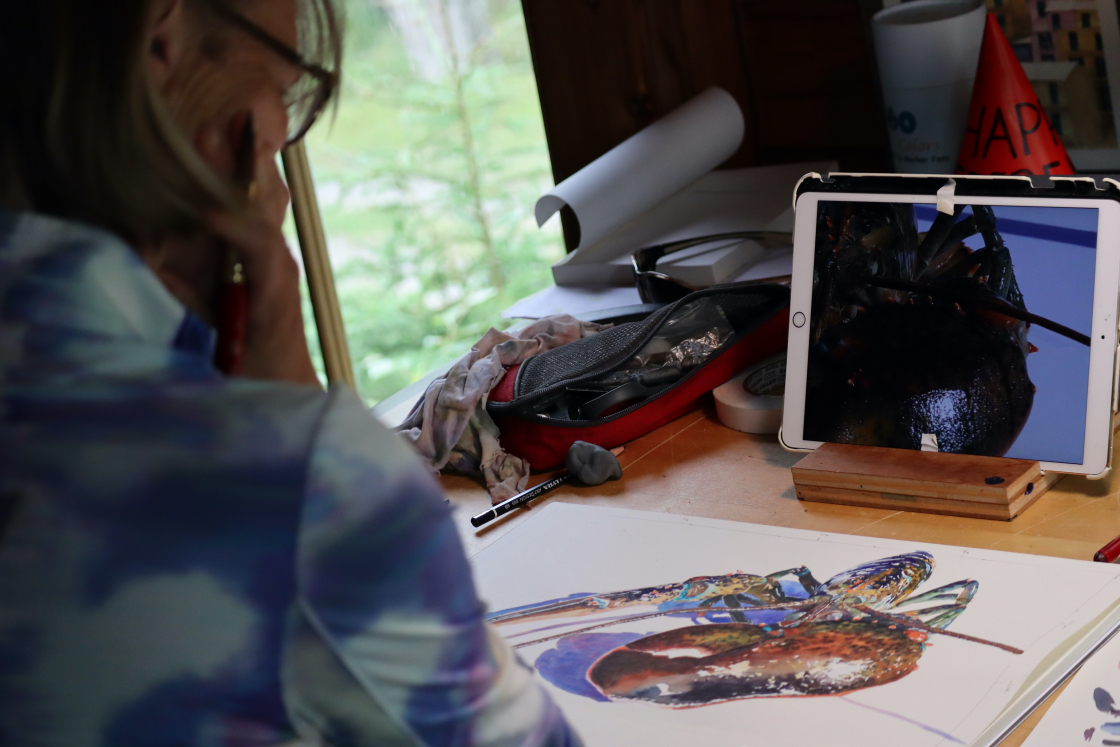
American Lobster, Study 6
 
Nothing like good news to provide motivation

An Honor and A Challenge: The Copley Society of Art

In November I was accepted into the Copley Society of Art, the oldest non-profit art association in the country and I'm beyond thrilled! 

The "CoSo" gallery resides in a well-trafficked part of downtown Boston and offers member artists opportunities to participate in juried shows, open shows, fundraisers and solo shows, and all exhibited work is for sale. With encouragement from art friends and my teacher, I finally fired up and pulled together the lengthy application (which included the lobster painting above). 

View CoSo's New Members Exhibit here.  You can also read about us in the January/February issue of Artscope Magazine, and see "American Mackerel, Study 5," included in their gallery section.

Above: "American Lobster, Study 6," 11"H x 16.75"W, CoSo New Members Exhibit


Adrift Near Thrumcap
 
I need to see the water in slo-mo...

A Deep Dive

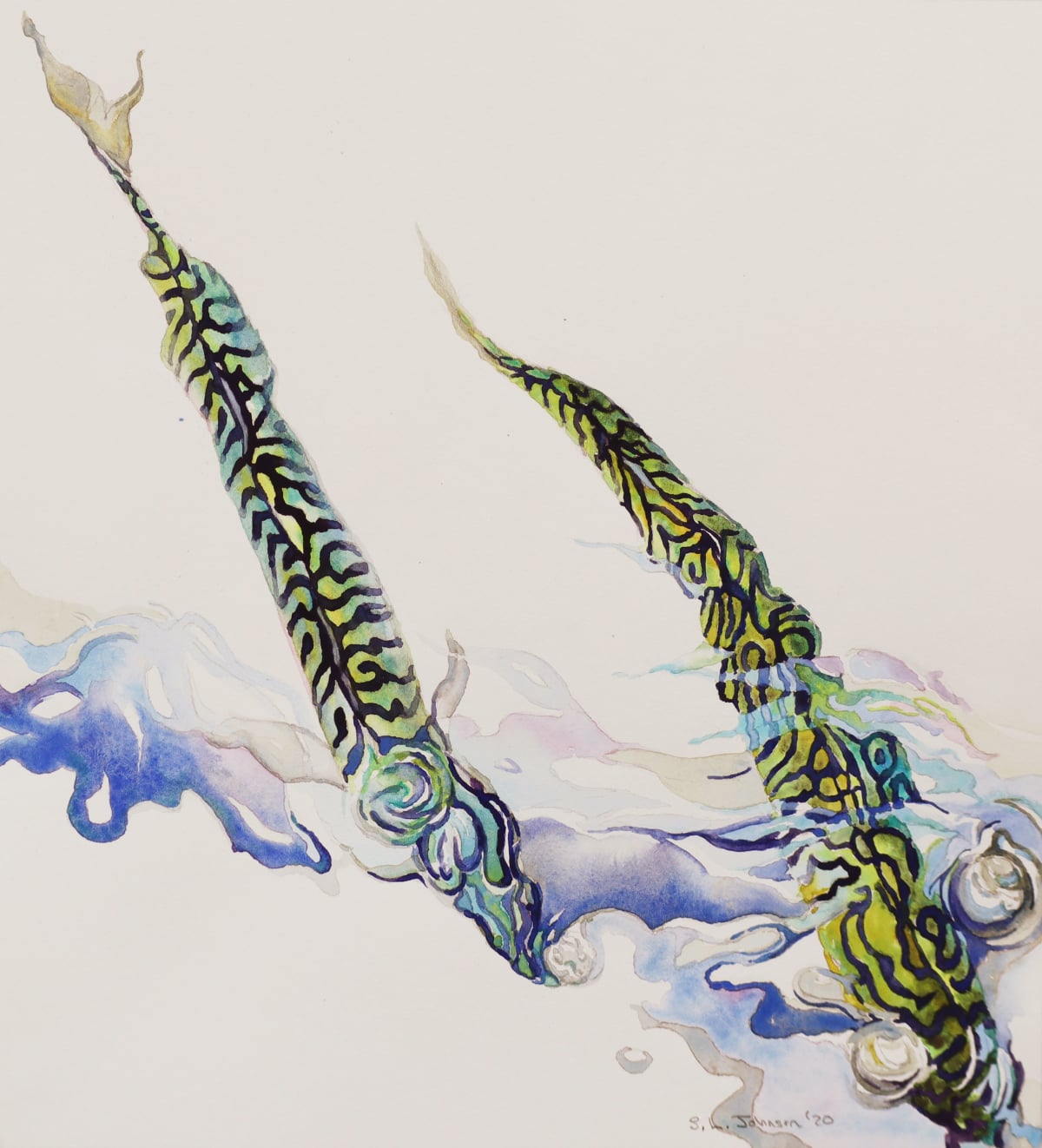
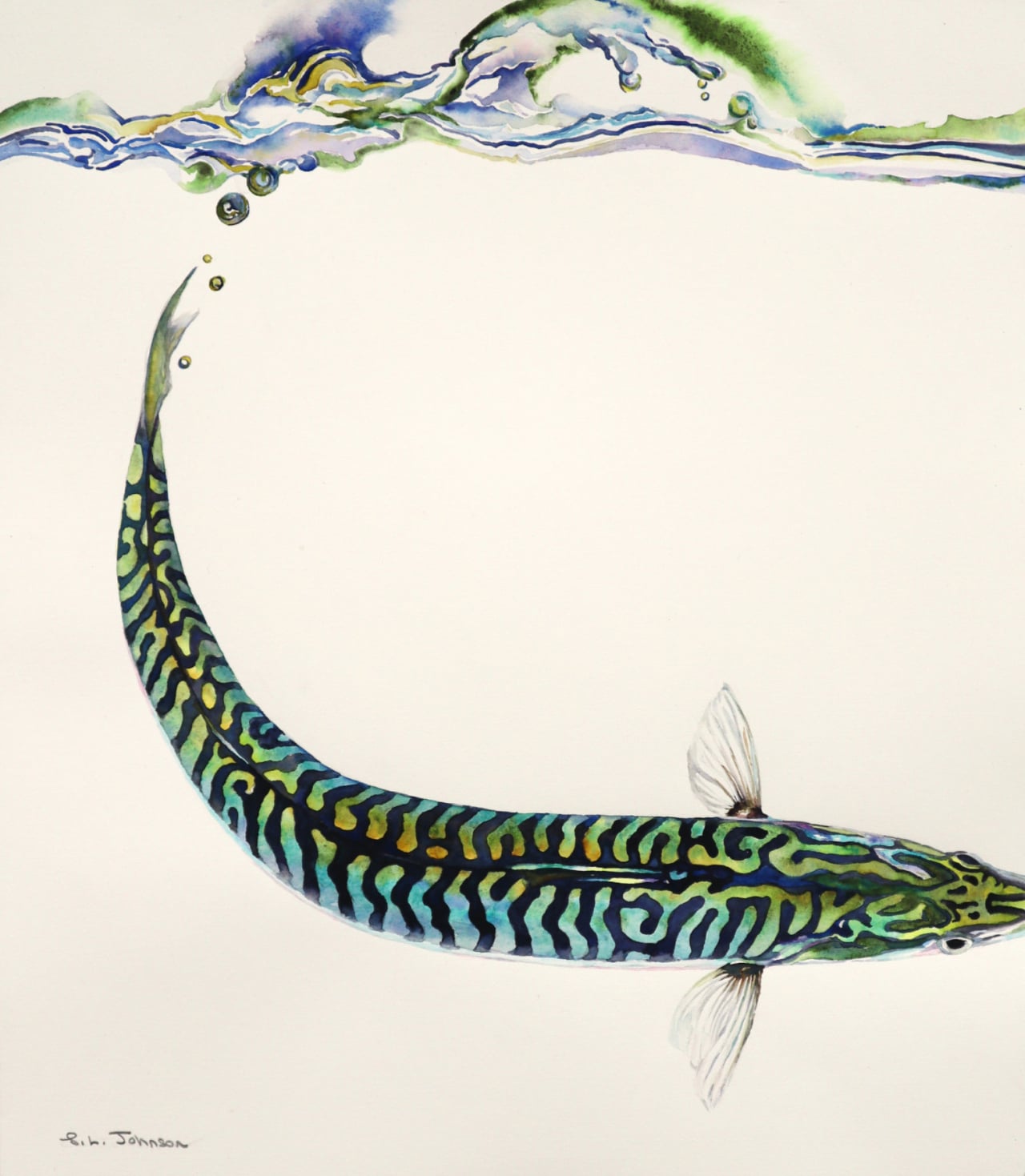
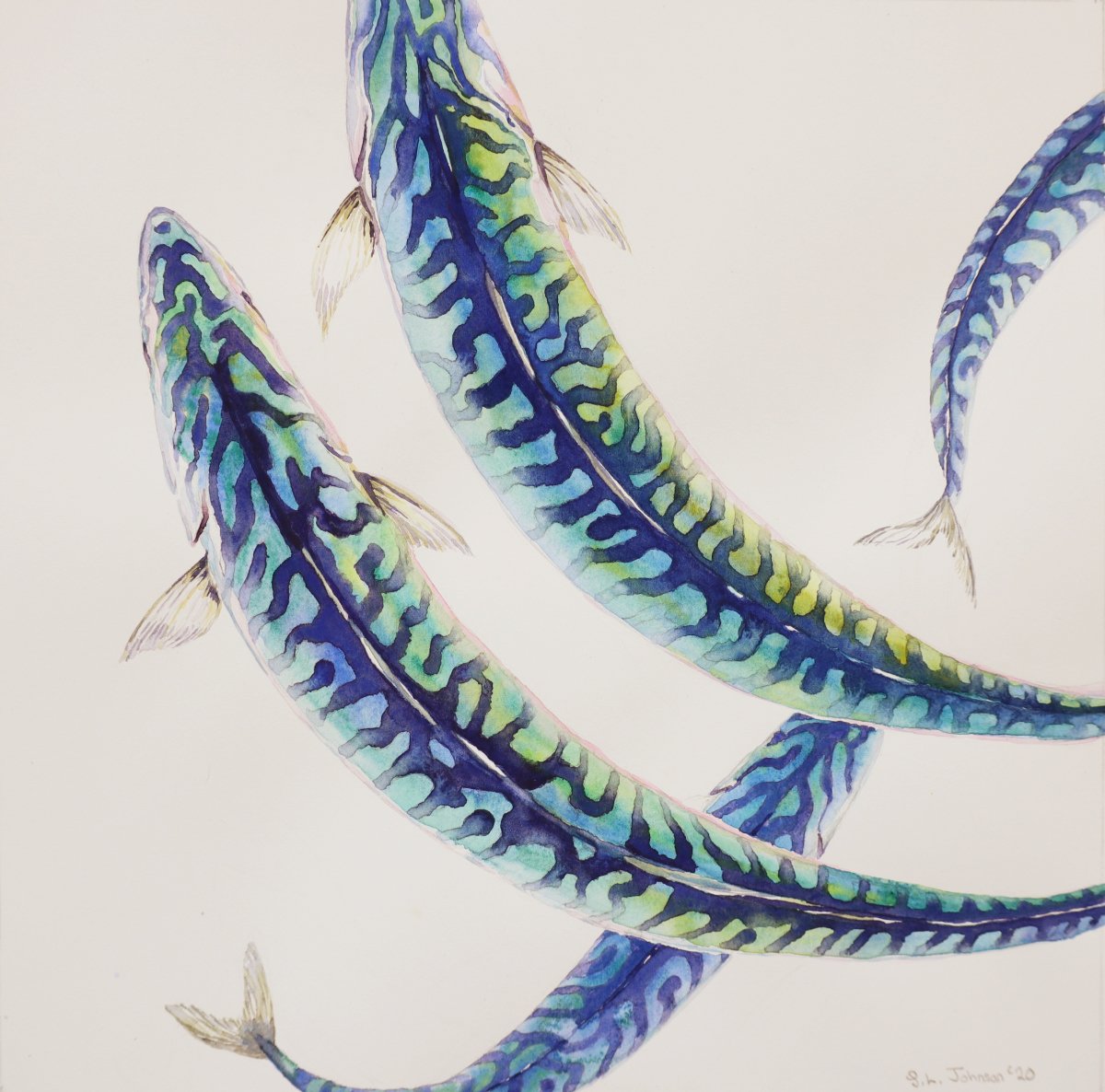
These days, I'm focused on portraying water from one of two vantage points: 1) from on top of the reflective surface where we humans usually are, or 2) from underneath the surface with water participating as an abstract compositional element (see some of my mackerel paintings).  

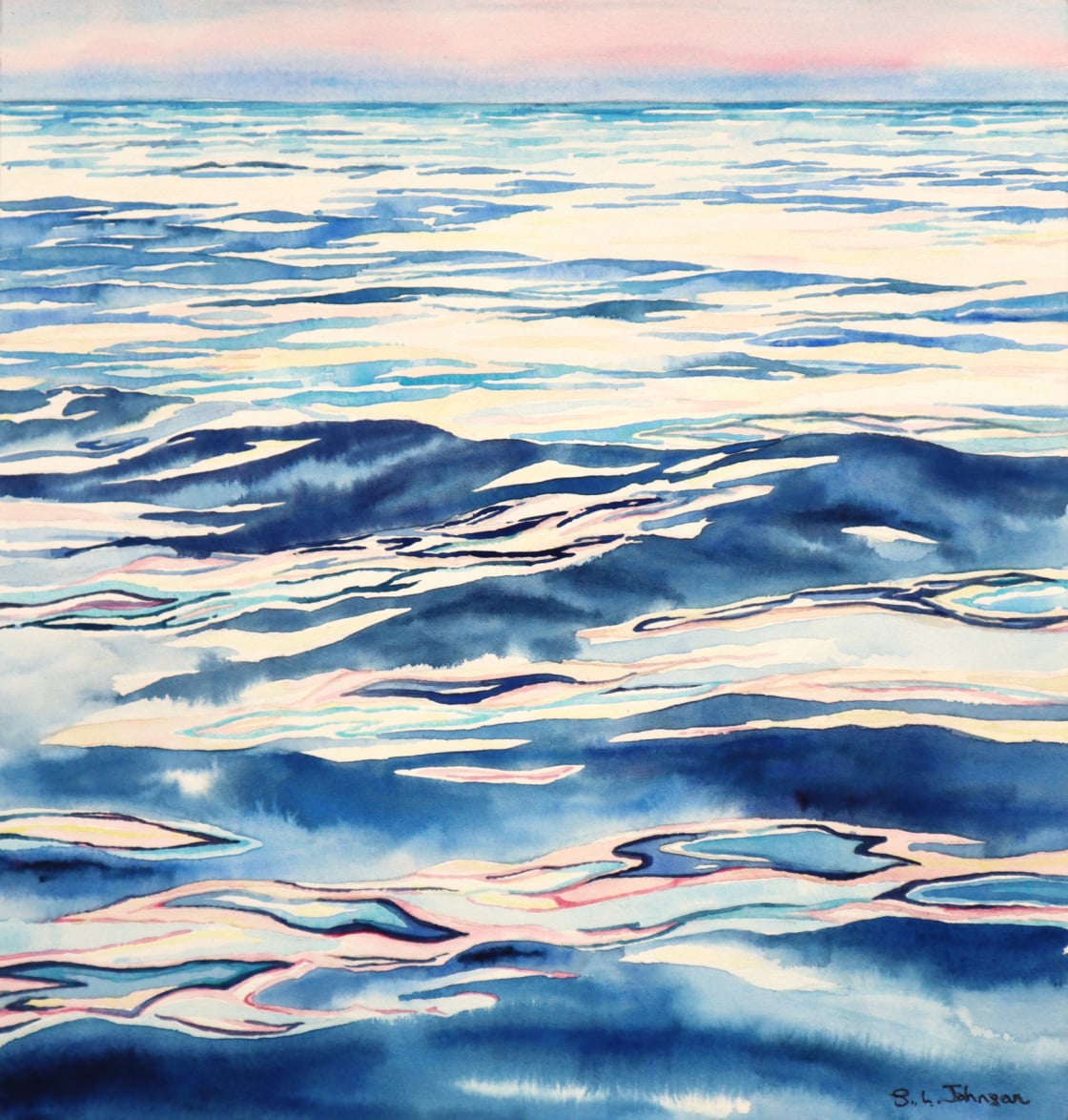
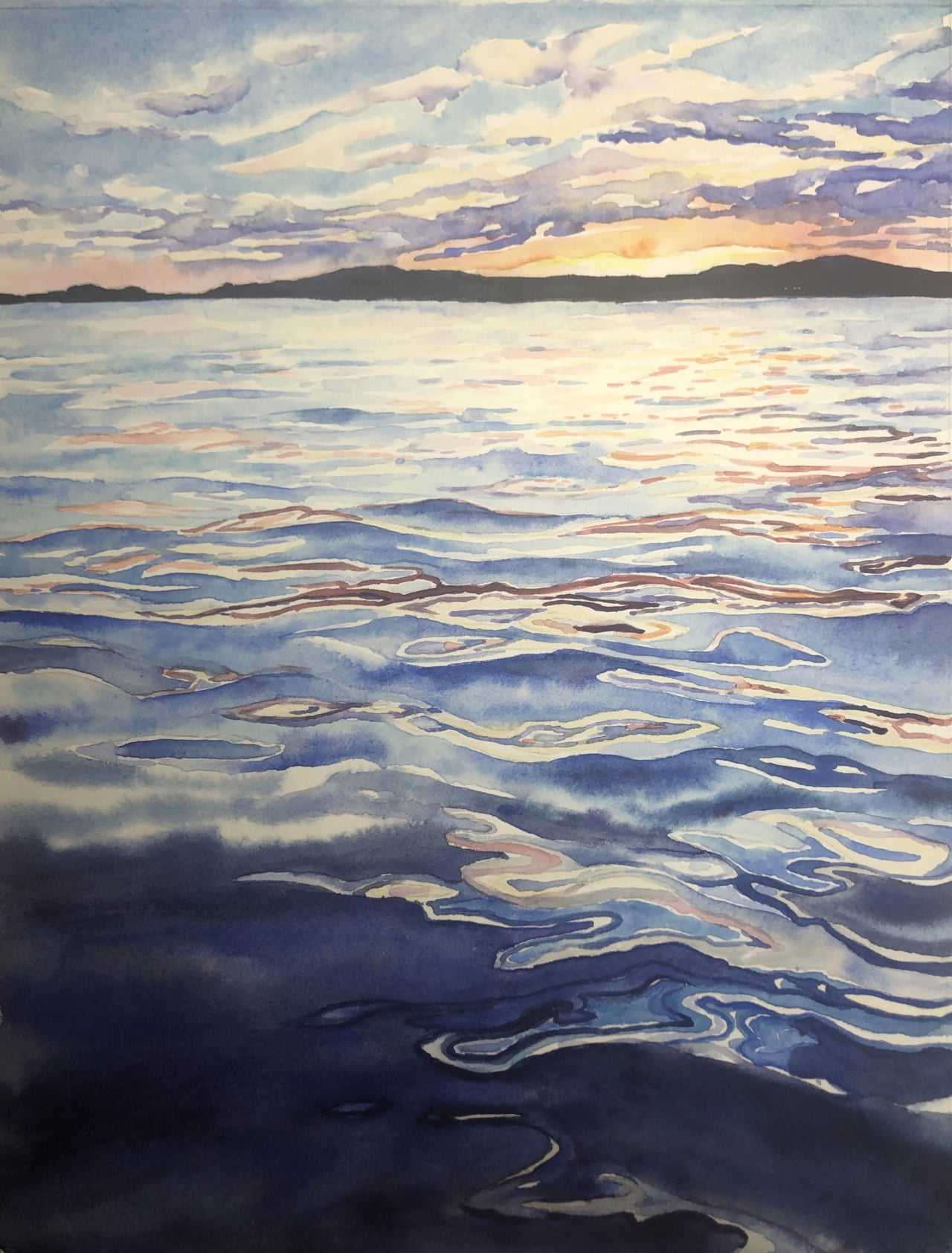
Water is hard because it's always in motion, and part of our experience of water is feeling or hearing that motion. Sometimes, I try to communicate how the water would feel to someone sitting in a small boat. Still photos don't even begin to capture this sensation; I have to rely on past experience as well as visual sources.

Also challenging is that, while in motion, water is reflective and transparent at the same time. For certain paintings, I try to show what the different angled surfaces on a single wave reflect (a cloud directly above, the color of the horizon, the color of vegetation on a shore). In paintings of fauna, I'm more concerned with how the subject itself - say a mackerel - interacts with its watery environment, and how the transparent or refractive characteristics of water interact with the subject in ways that are important to the composition.


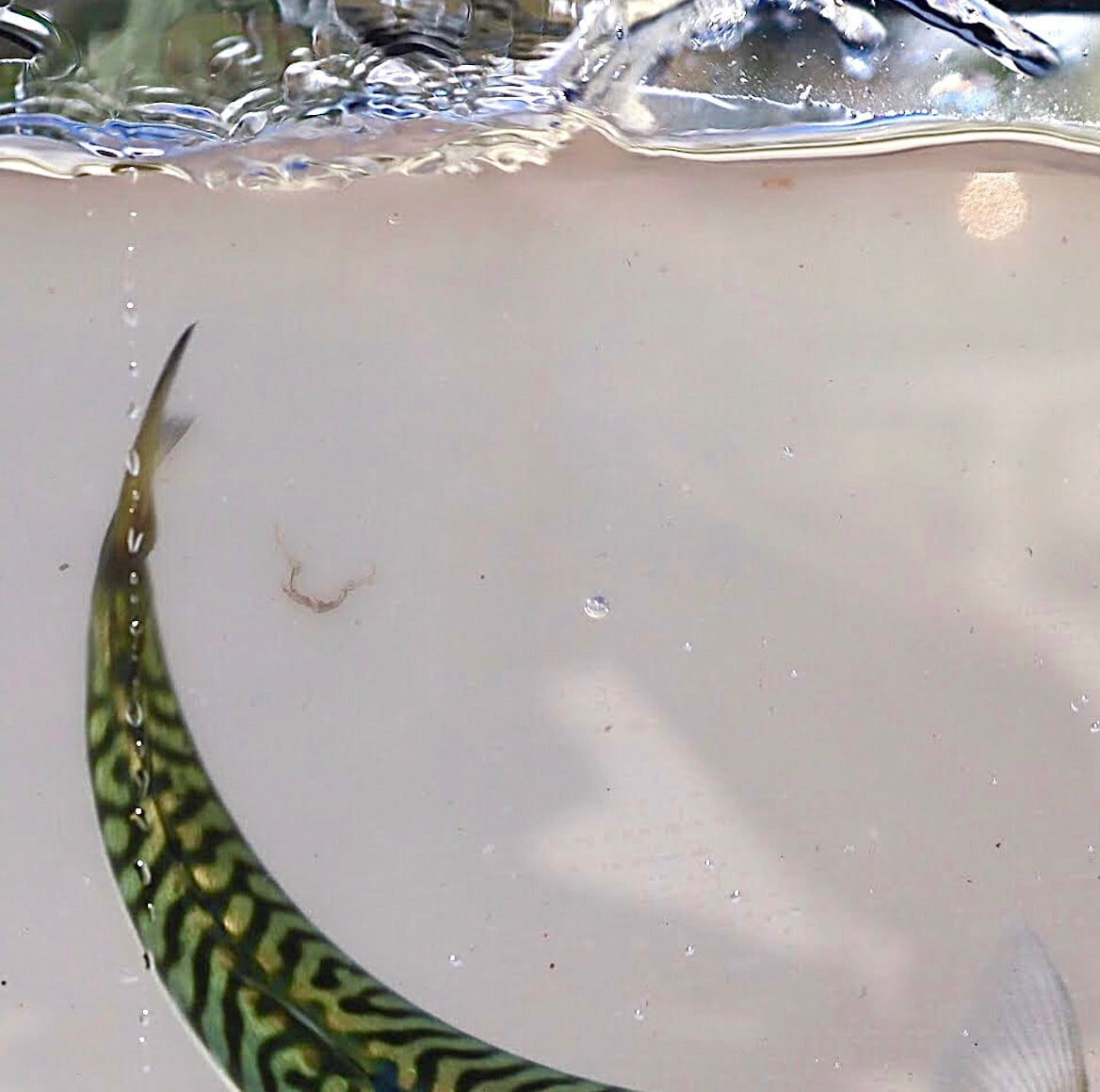
Above: "Adrift Near Thrumcap," 12"H x 11.3"W; Below: "I Heard A Splash," 19.25"H x 17"W, and reference photos for "I Heard A Splash," and "Sunset Over Little River,"


I Heard A Splash


Viewing art is a great thing to do right now!

Current Work On Exhibit

This year, galleries, associations and museums have been exhibiting online, and I've also found that small galleries are often empty, so it's easy to view art and socially distance. 

In that spirit, I encourage you to click on the links below to view my work in the context of exhibits, or visit these galleries in person as appropriate! Paintings in this newsletter are for sale through CoSo or directly from me. 

Three of my paintings, "American Lobster, Study 6," "American Mackerel, Study 5," and "Atlantic Mackerel In Bait Tank, Study 1, are online as part of the  CoSo New Members Show, from January 14th - February 14th.     

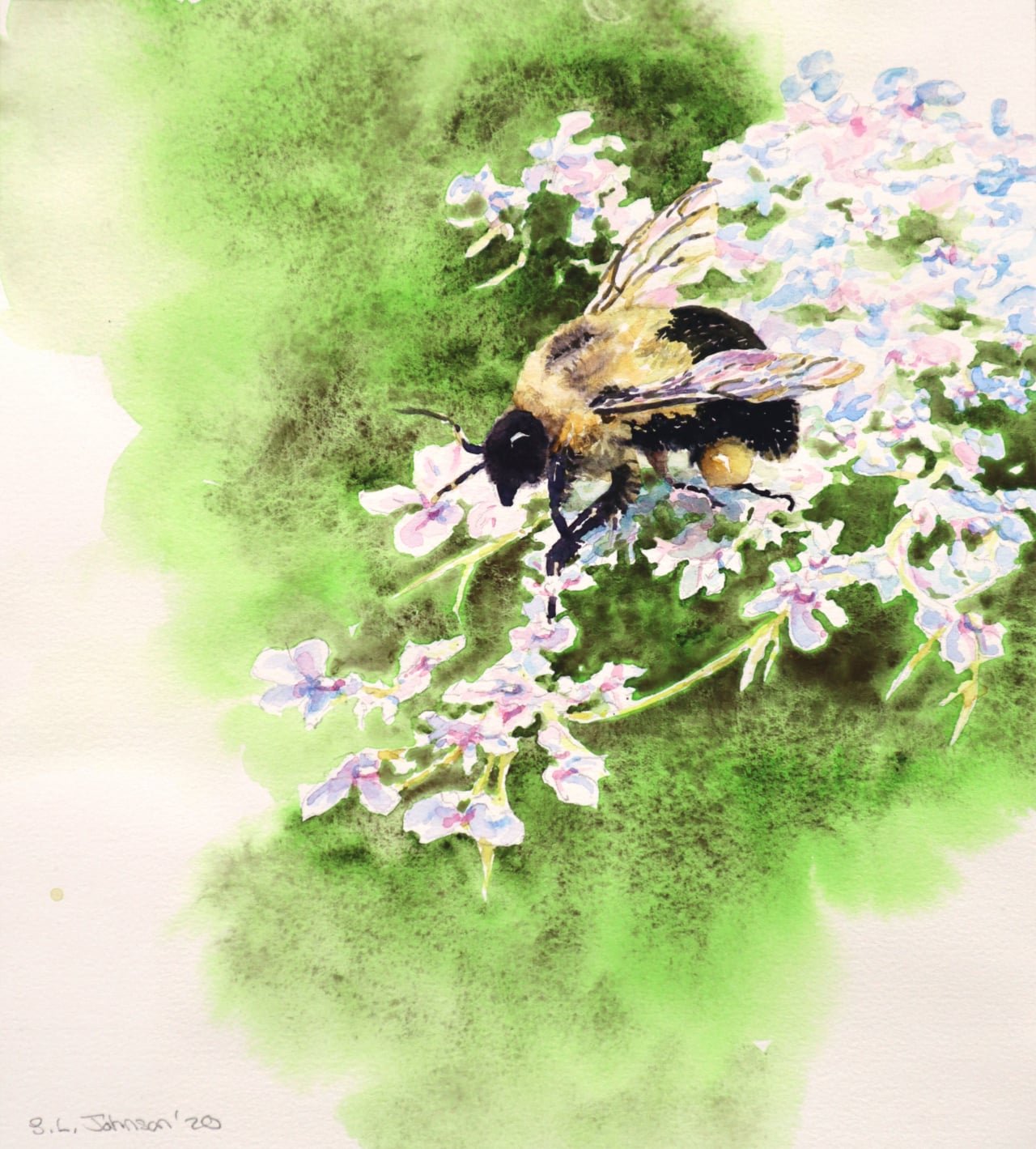
"American Bumblebee, Study 3," and "Everything Was Red," are on view as part of the CoSo Winter Small Works Exhibit, "Tapestry," online from January 14th - March 25th.

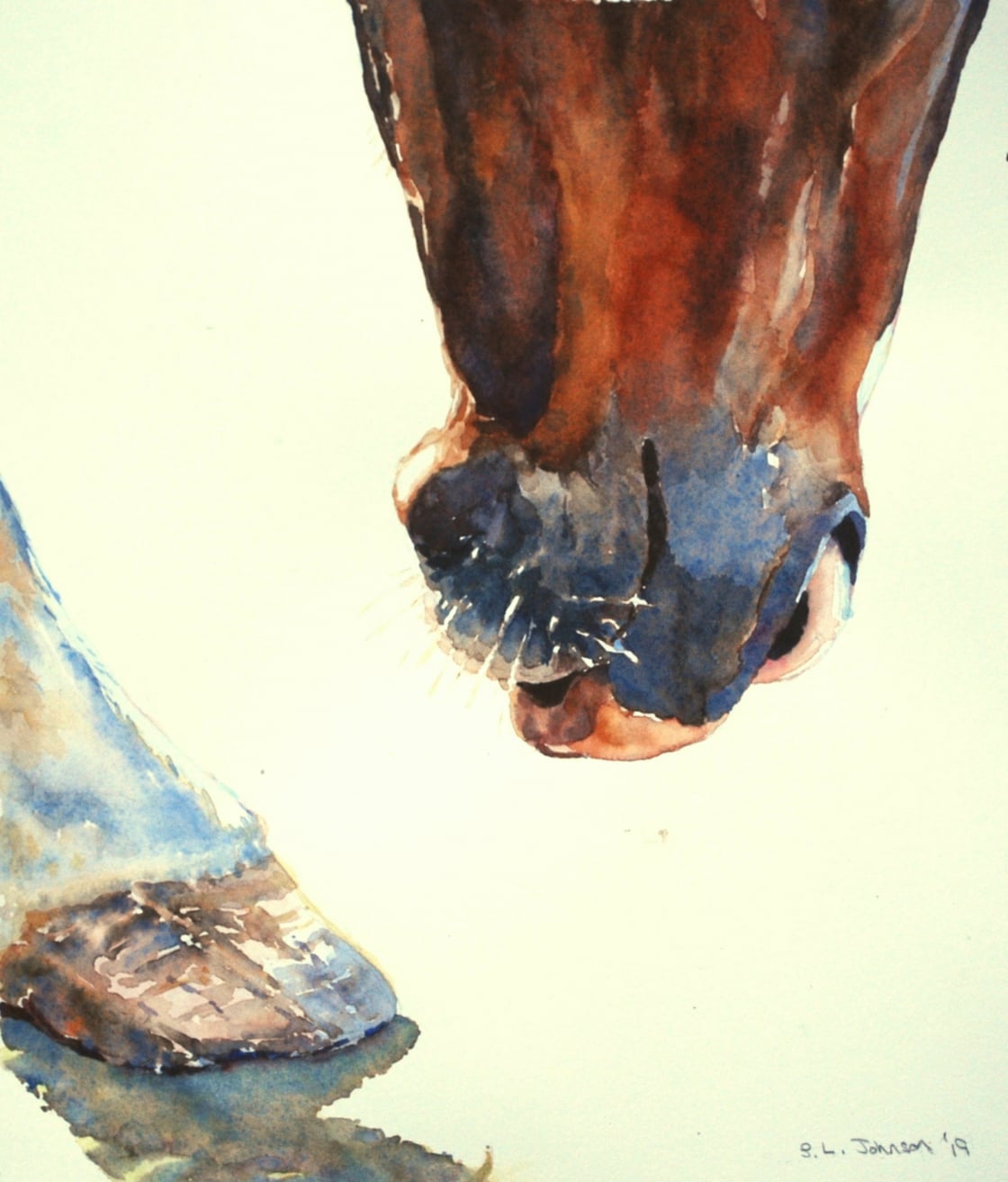
Finally, "Horse Grazing," and "October Morning in the Narrows," will be on exhibit as part of the Harvard Staff Show online beginning February 3rd.  

I post all new work on Instagram (which you can see via my Facebook page).  Inquiries are always welcome!  

Above: "Horse Grazing," 11.5"H x 10"W on exhibit in the Harvard Staff Art Show beginning February 3rd


Above: "American Bumblebee, Study 3," 9"H x 8"W, CoSo Tapestry Small Works Show and "American Mackerel, Study 5," 14"H x 14"W, CoSo New Members Show

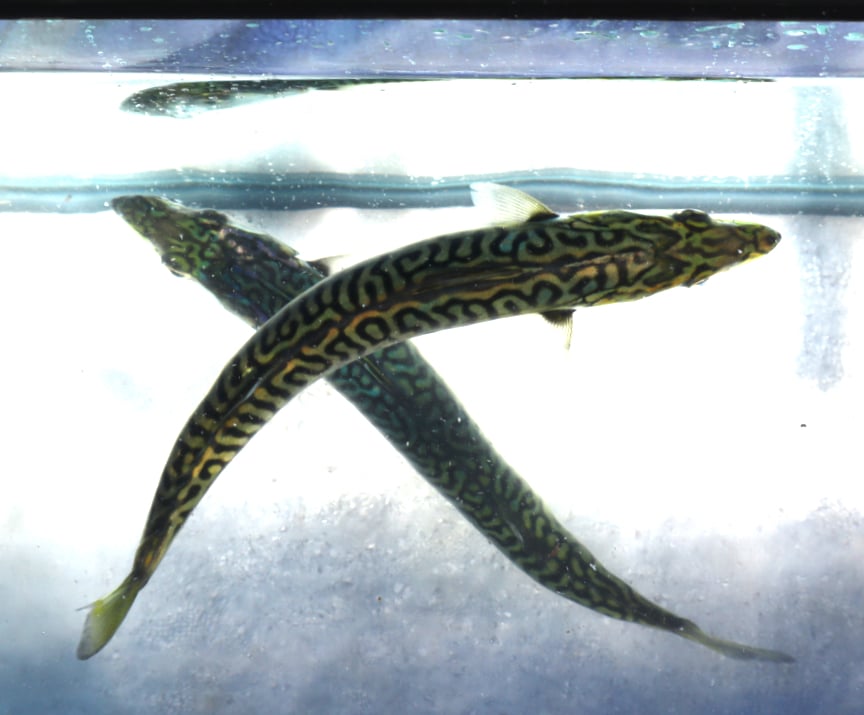
Below: "Mackerel In Bait Tank, Study 2," 12"H x 11"W, CoSo New Members Show; and "Sunset Over Little River,"  Private Collection


All painting dimensions included in this newsletter refer to image sizes and do not include matting and framing.  Apparent differences in paper color are artifacts of the photographic process; all paintings are on traditional white hot press Fabriano Artistico watercolor paper.


Susan L Johnson Art
 
 
Read More

11/25/2023 2:33:50 PM

Capturing Mackerel in Watercolor

2 Comments

This newsletter was sent to my subscribers in September 2021.

Capturing Mackerel in Watercolor


Capturing Mackerel in Watercolor
 

I've been focusing on fish this summer.  Why?  Find out below and check out some of the resulting paintings!


Because I can't stop...

Why paint these fish over and over again?

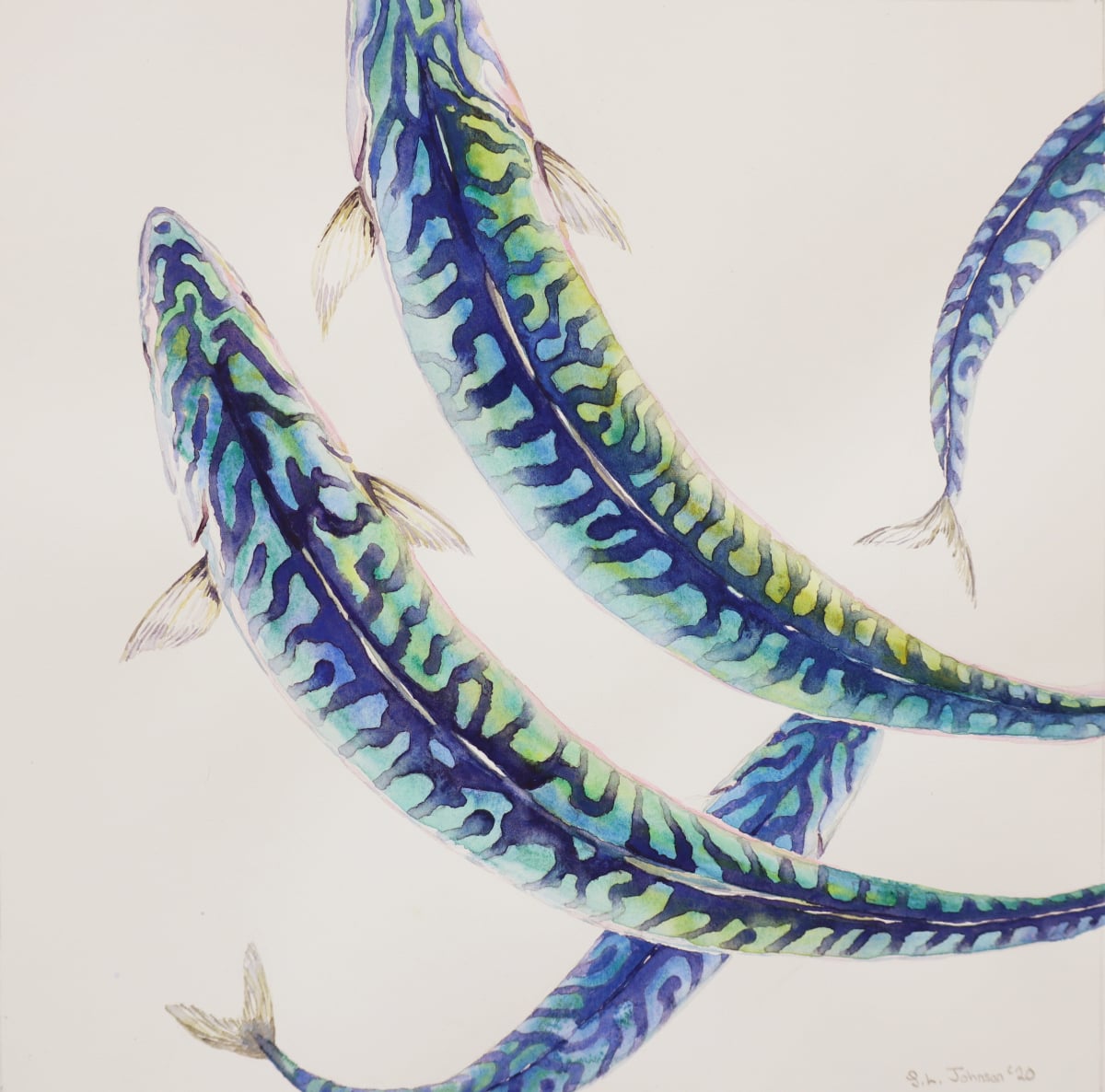
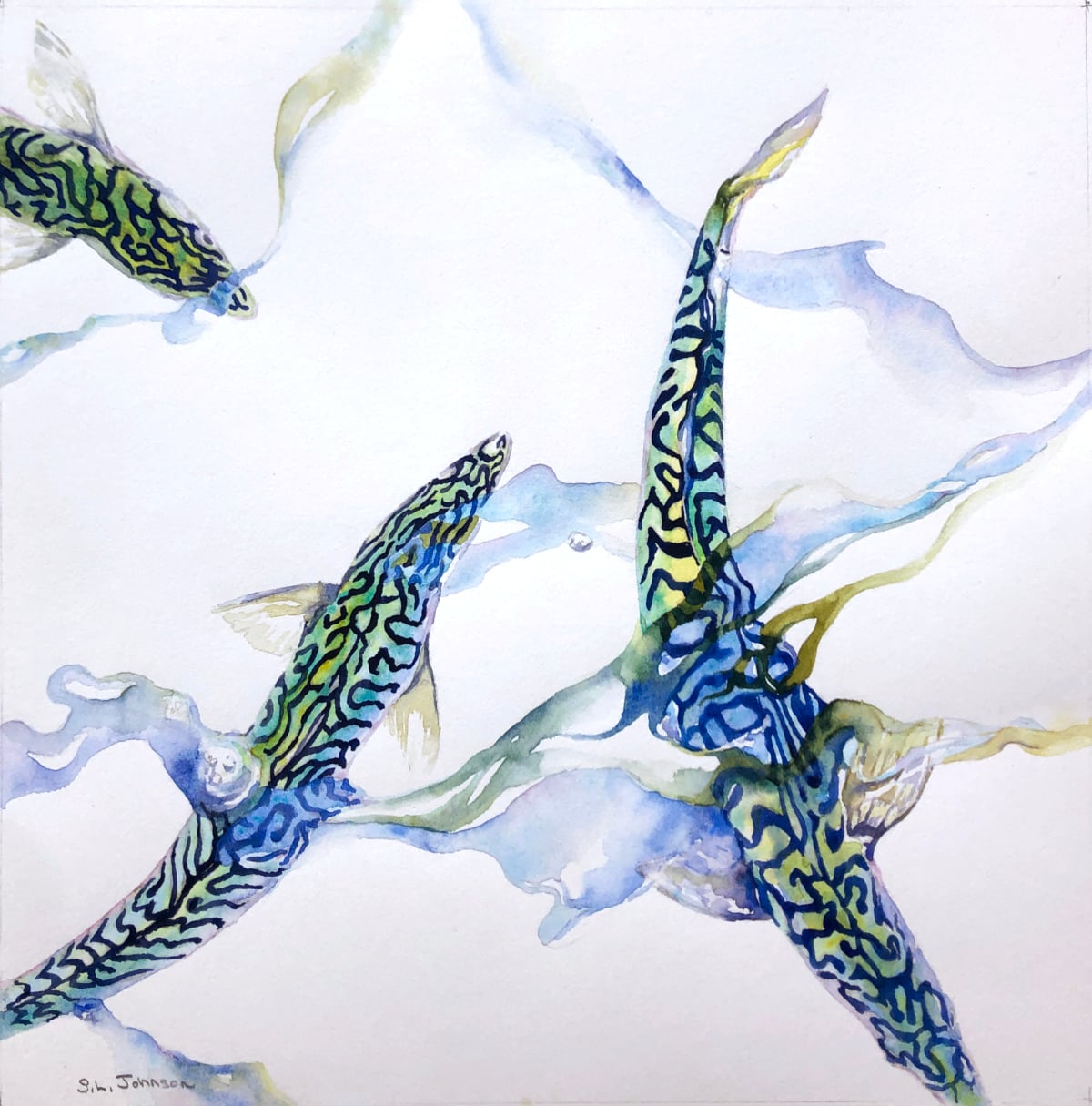
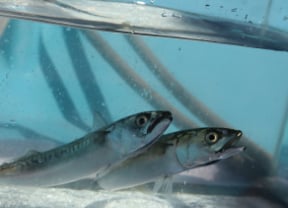
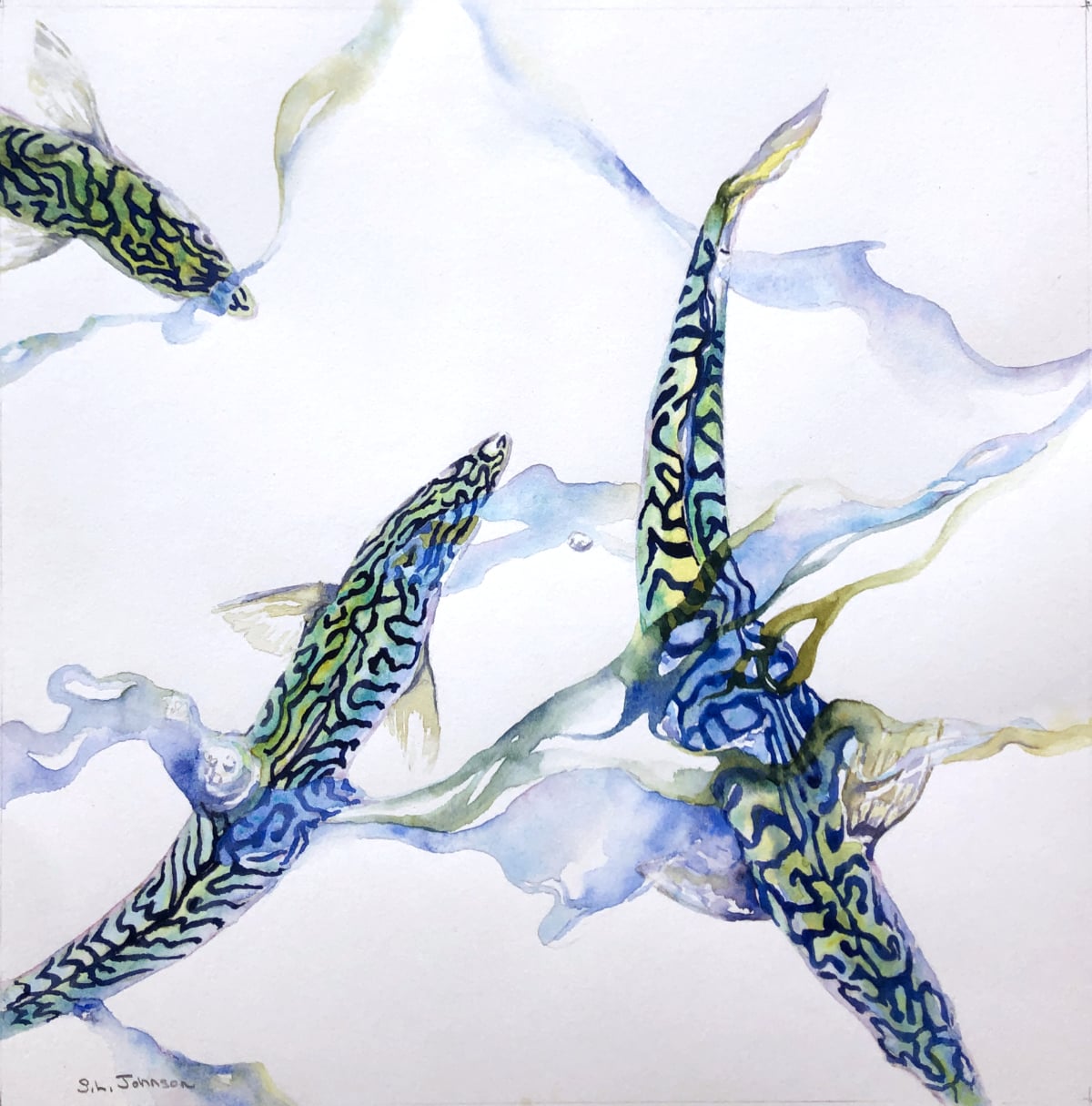
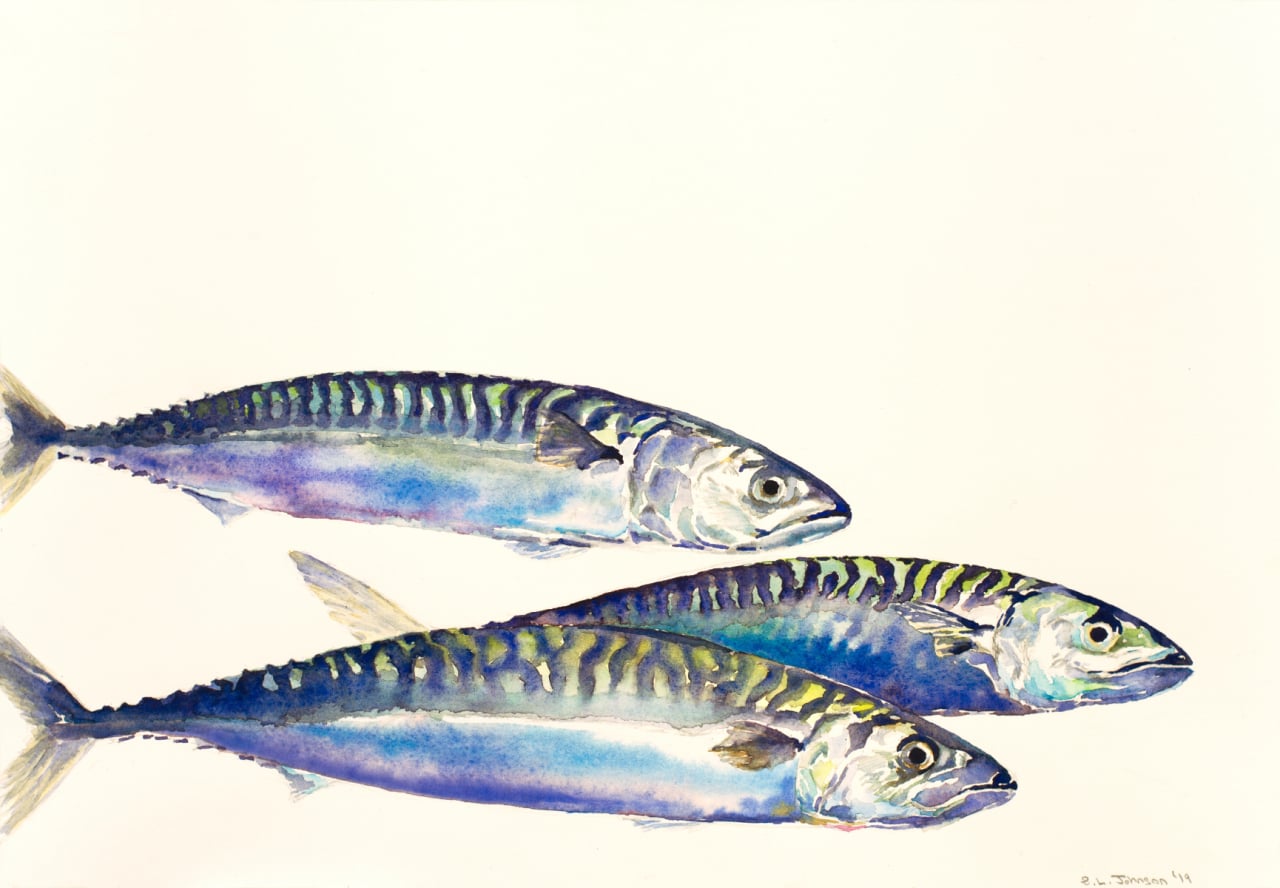
Atlantic Mackerel are iridescent, translucent, camouflaged and arresting all at once.  Individuals have different stripe patterns, everything about their shape is made for speed, and their silvery sides reflect unexpected colors.  With every painting I understand a little more, and I'm just beginning to explore how water can distort, exaggerate or hide them. 


Geek out with me!

Susan's Biology Moment

While poking around trying to learn about the patterns, scales and reflectivity of fish, I tripped over this abstract from a research paper. I did NOT read the paper (I wish I were that diligent) but I gathered that Atlantic Mackerel (Scomber scombrus) have bands of scales that are oriented to reflect light at specific angles. This means that as the fish change position relative to the light they alter their appearance. Given that these fish rely heavily on vision, they may signal to each other when they change their position ("There is a predator over here - run away!"). I wonder whether this is how they stay so coordinated in their movements as they swim together?


In case you are curious.

My Painting Process

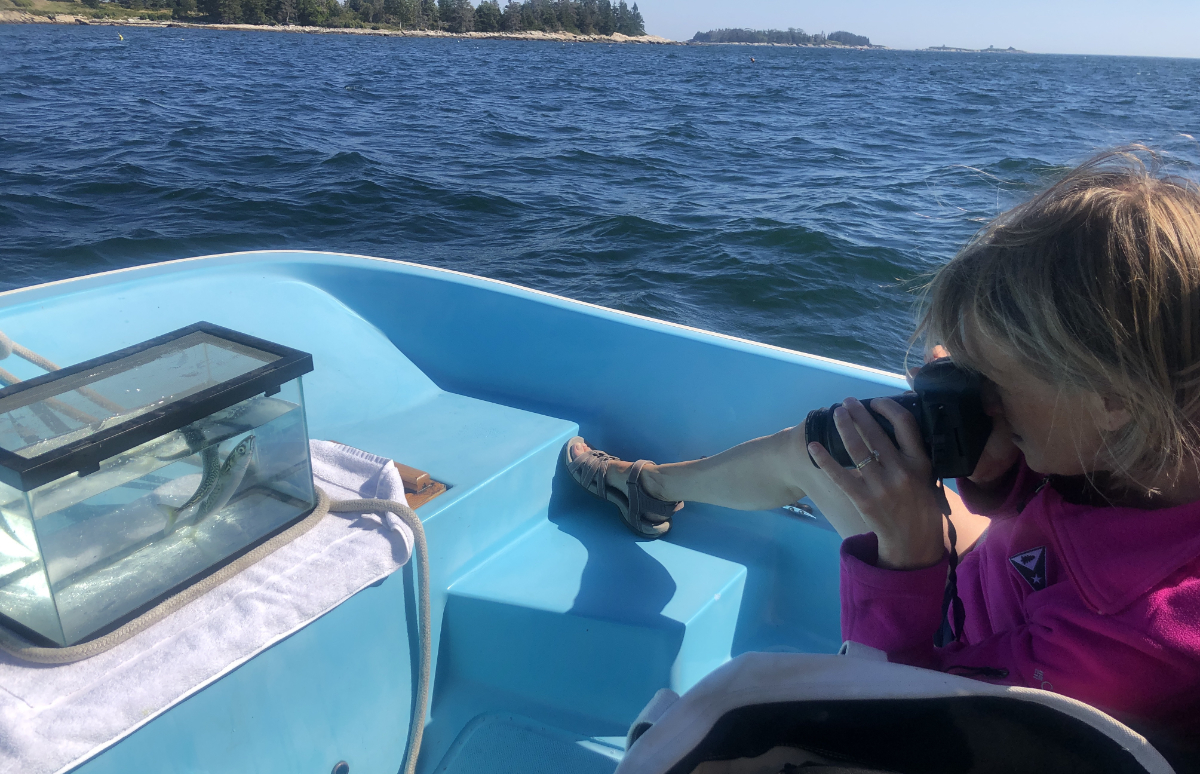
I started with mackerel a year or two ago simply because they are easy to catch where I am (with the added bonus that they are gorgeous).  I always paint from my own reference photos because I struggle with photos taken by other people, no matter how good they are.

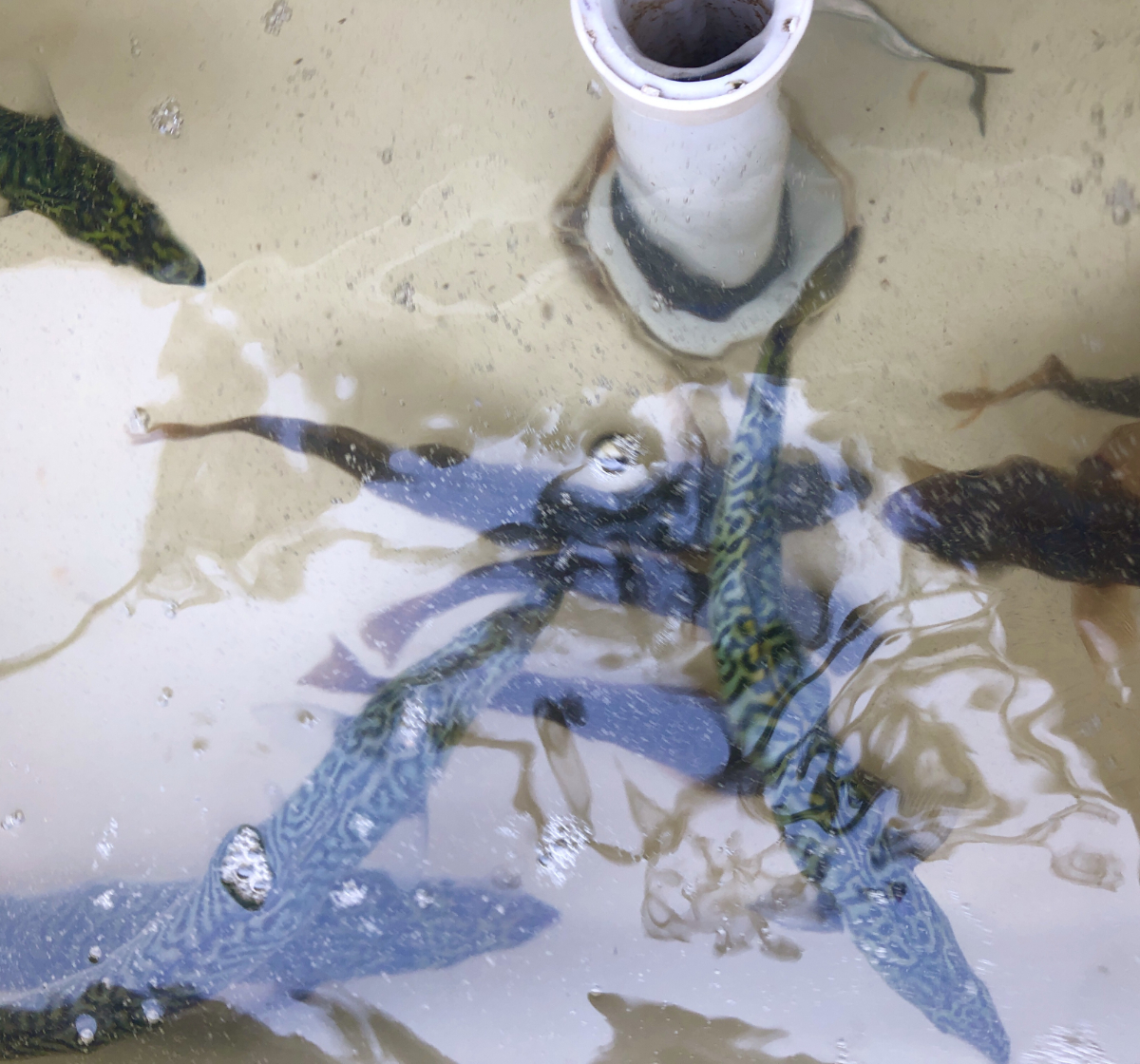
Mackerel (and I imagine many, if not all, fish) become rigid and fade the instant they are out of the water.  I'm not interested in photos of dying fish; I want to capture them as they are in their environment but without being obscured by the opacity of the North Atlantic.  I took good photos when we fished for mackerel and placed them in a small tank in the bow of our boat.  Even then, they had too little oxygen in that small space, and we had to throw them back quickly.  For me, this is the main barrier to painting larger fish like striped bass.  How do I take clear photos of different species in their element?

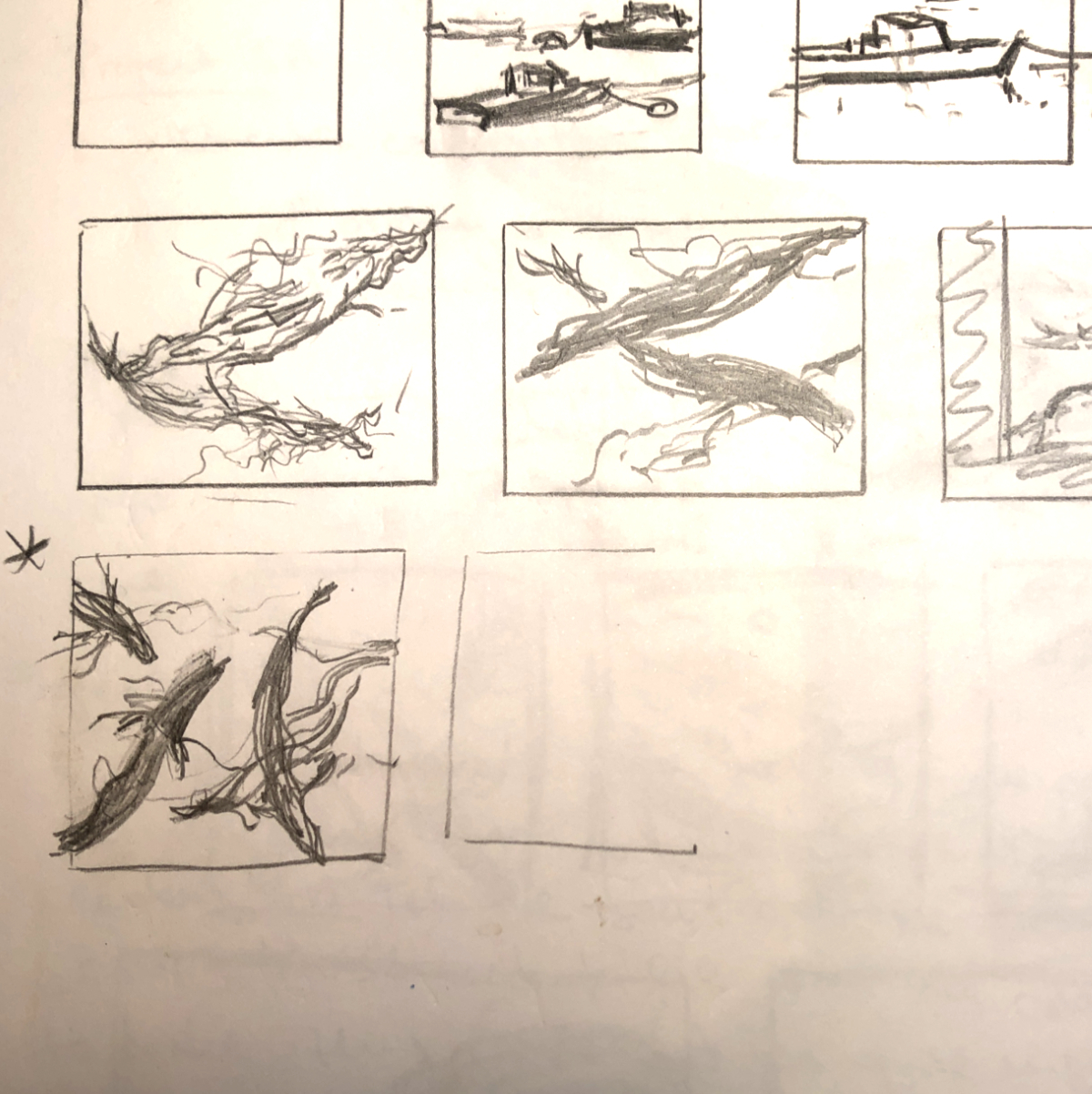
I often create an image from multiple photos and make thumbnail pencil sketches until I land on a composition that interests me.  Sometimes I crop my photos or experiment with color or value on my computer before embarking on the final drawing.

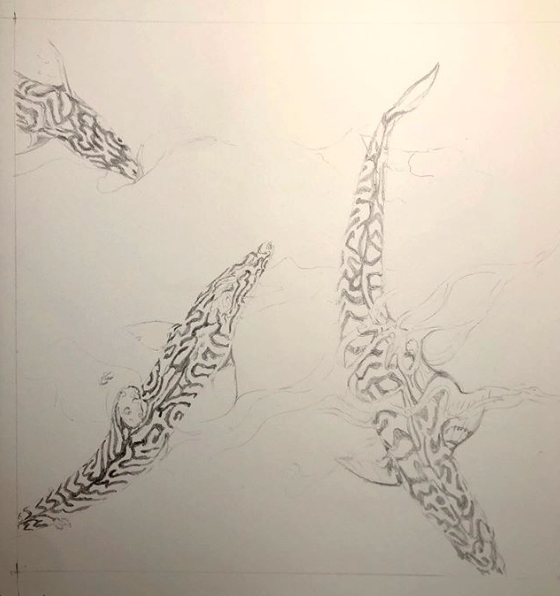
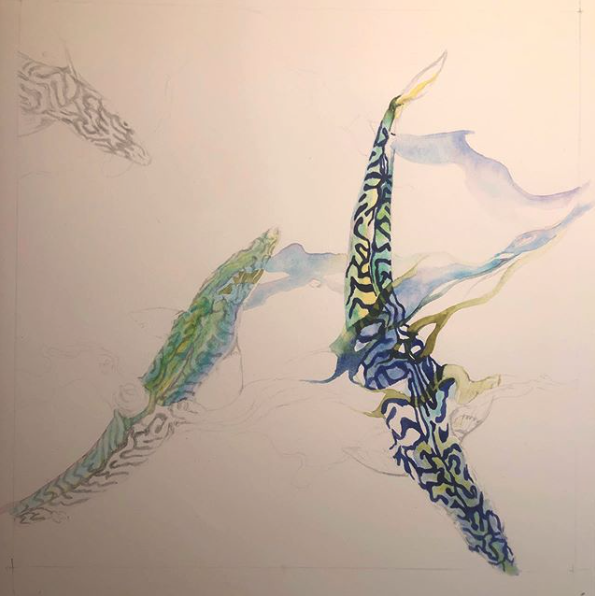
Drawing on hot press watercolor paper takes time and if I erase too much, I risk ruining the smooth surface of the paper.  Laying down water and paint on test strips is the key to making sure I have some understanding of how my chosen pigments may interact.  While I have no set-in-stone process for painting mackerel, so far each painting has taught me something new.  


And I'm not done yet!

New Paintings

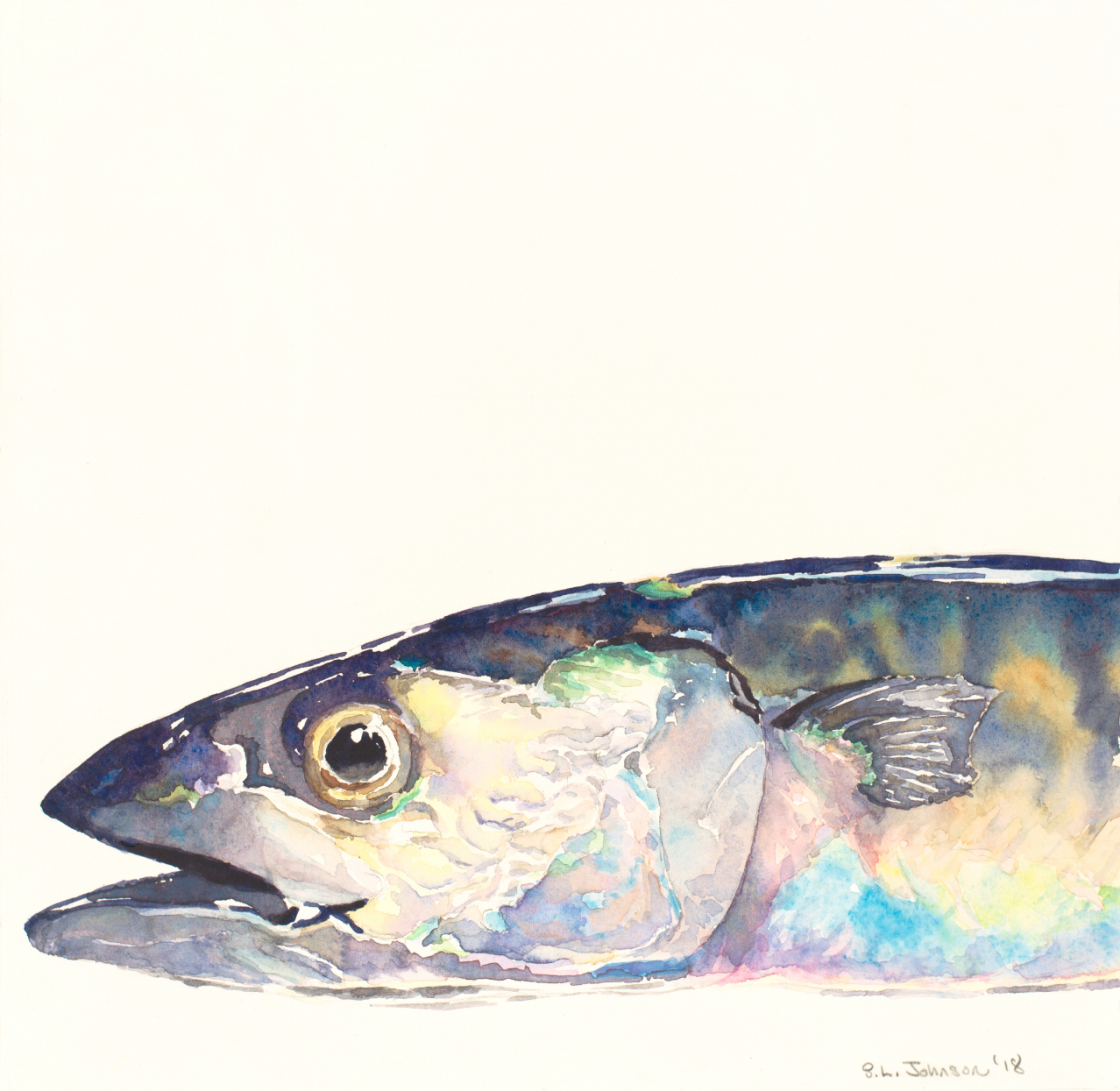
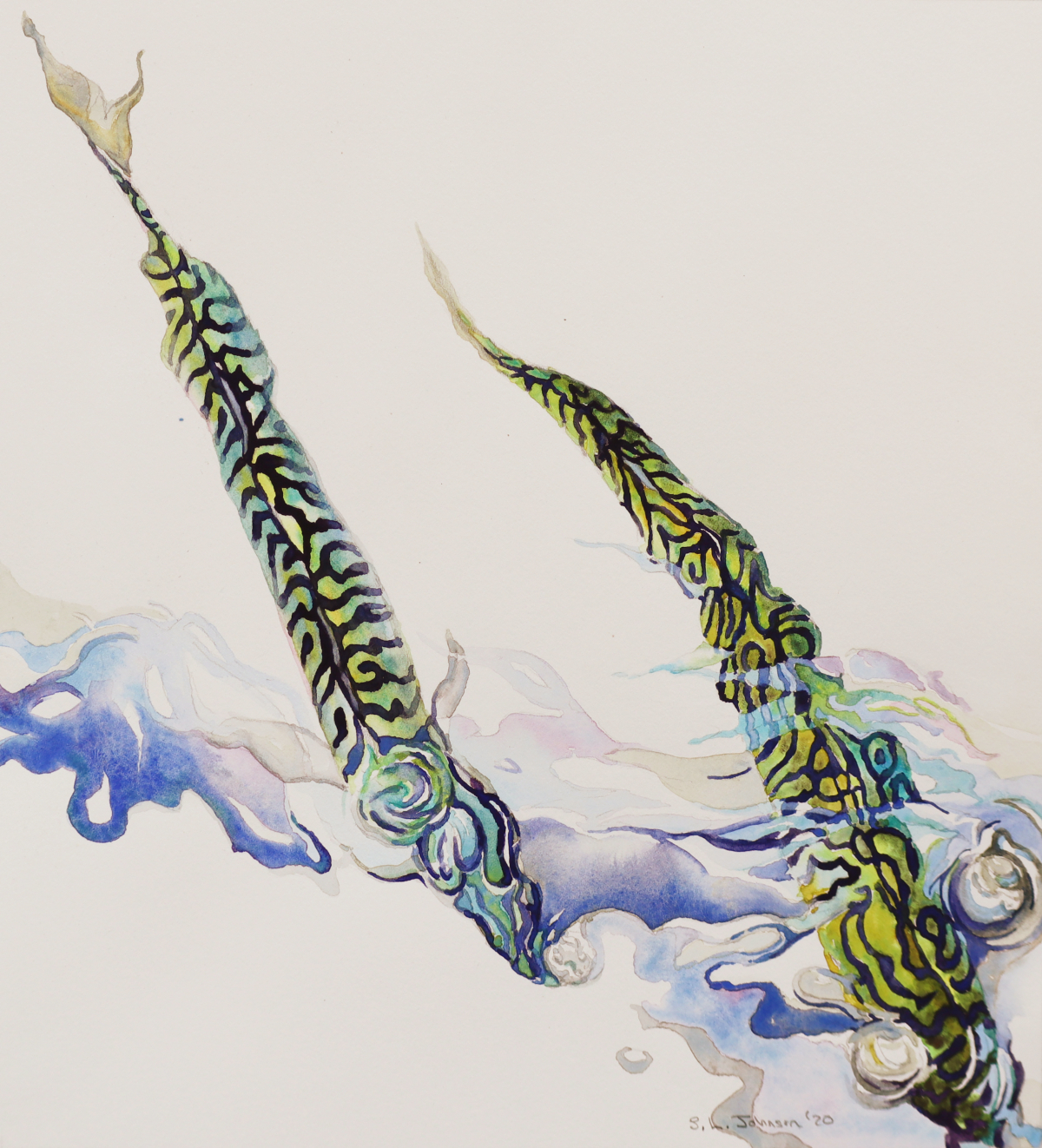
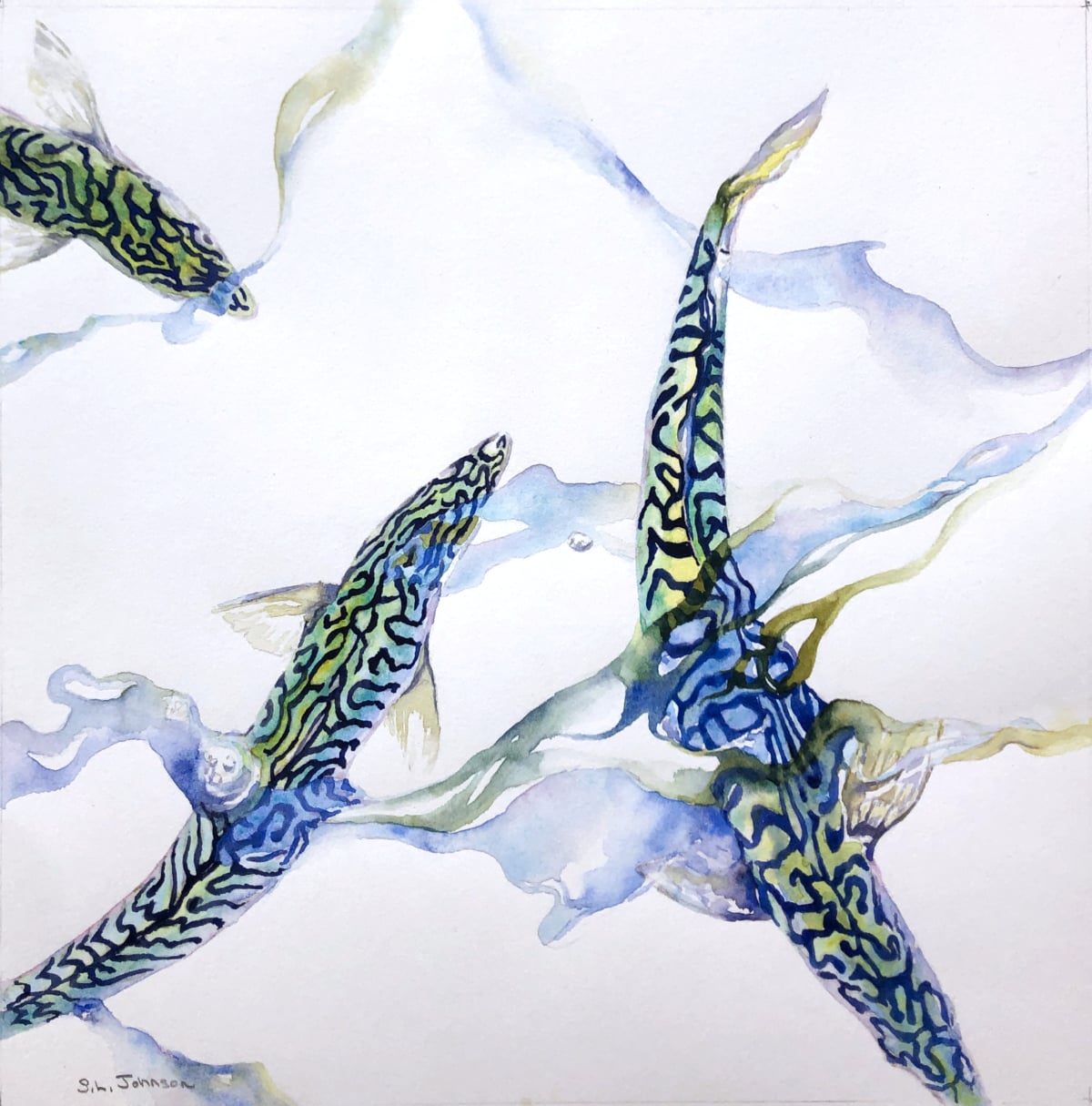
The painting of the mackerel head to the left is my logo-of-sorts.  I was loathe to part with this painting last year, but am grateful I had a high quality image made first.  The two paintings of mackerel under the water represent a new direction for me.  Trying to figure out how to portray the water, the fish and still make sure the negative space of the white paper remains interesting continues to be a fun challenge.  While I have not included any of my most recent work on my website, inquiries are always welcome!


Susan L Johnson Art


Read More